
US Launches Military Strikes Against Iran Amid Trump's Stern Warning
The United States conducts fresh military operations against Iran while President Trump issues strong warnings to Tehran. Read the latest developments in this e...
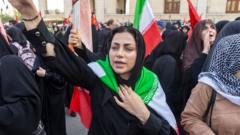
United States Conducts Fresh Military Operations Against Iran
The United States has launched a new series of military strikes against Iran, escalating tensions in the Middle East. President Trump has issued explicit warnings to Tehran, signaling a hardline stance on the nation's ongoing activities and regional influence. The US strikes Iran campaign represents a significant shift in American foreign policy toward the Islamic Republic.
The military operations mark a continuation of heightened hostilities between Washington and Tehran. Trump's administration has maintained a confrontational approach, with the president publicly questioning whether he will pursue more aggressive measures against the Iranian government. Officials in the United States have justified these actions based on alleged threats to American interests and regional stability.
Trump's Conditional Stance on Future Actions
President Trump has indicated that decisions regarding further military interventions remain undecided. When questioned about potentially intensifying operations against Iran, Trump suggested that Tehran's future behavior would determine the extent of any additional American action. His comments underscore the unpredictability characterizing current US-Iran relations.
The president's warning to Iranian leadership reflects the administration's willingness to consider more severe measures if provoked. Trump's rhetoric has consistently emphasized American military superiority and resolve in confronting what he describes as Iranian aggression and destabilizing activities throughout the region.
Regional Security Implications and Concerns
These military operations carry significant consequences for Middle Eastern security and stability. Allies of the United States in the region have expressed varying degrees of concern about the escalating conflict's potential to trigger broader instability. International observers have warned that further escalation could lead to unforeseen consequences affecting global energy markets and geopolitical balance.
The strikes represent an intensification of the existing confrontational approach adopted by the Trump administration toward Iran. Previous years had already witnessed significant tensions, including the targeted killing of General Qasem Soleimani and subsequent Iranian retaliation. The current military operations demonstrate that the conflict remains far from resolution.
Iran's Position and Strategic Response
Tehran has consistently denied the allegations leveled by Washington, characterizing American military actions as violations of international law and unjustified aggression. Iranian officials have warned that continued military strikes will prompt retaliatory measures, though they have stopped short of providing specific details about potential responses.
The Iranian government maintains that its regional activities remain defensive in nature and justified under international law. Officials in Tehran have called upon the international community to condemn what they characterize as American imperialism and military overreach in the Persian Gulf region.
International Response and Diplomatic Challenges
World powers have responded with varying degrees of concern to the escalating situation. European nations have urged restraint from both parties, emphasizing the importance of diplomatic solutions. Russia and China have criticized the American military operations, viewing them as destabilizing interventions that violate principles of international sovereignty.
The United Nations has expressed concern about the escalating military activities and their potential consequences for regional and global security. Diplomatic channels remain open, though prospects for meaningful negotiations appear limited given the hardened positions of both sides.
Implications for American Foreign Policy
The Trump administration's approach to Iran reflects a broader reassessment of American Middle Eastern strategy. This policy prioritizes direct military action over diplomatic engagement, marking a departure from conventional approaches that emphasize negotiated settlements.
Officials within the administration argue that a strong military posture deters further Iranian aggression and reinforces American credibility with regional allies. Critics, however, contend that this aggressive approach escalates tensions unnecessarily and closes off diplomatic opportunities that could lead to lasting solutions.
Looking Ahead: Uncertainty and Escalation Risks
The coming weeks will prove critical in determining whether the current situation stabilizes or deteriorates further. Trump's conditional warnings suggest that future American actions depend partly on Iranian responses and behavior. This creates an unpredictable environment where miscalculation could rapidly escalate the conflict.
Military analysts have warned that the region remains volatile, with multiple actors possessing significant military capabilities. Any major escalation could draw neighboring countries into the conflict and create humanitarian challenges of considerable magnitude. The international community continues to monitor developments closely as this crisis unfolds.