
US Launches Massive Strike Campaign Against Iran Following Khamenei's Funeral
US military conducts extensive operations targeting 90 Iranian positions after Khamenei's burial, resulting in significant casualties. Latest developments in US...
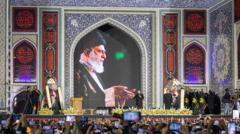
US Conducts Extensive Military Operations Following Khamenei's Death
The ongoing US Iran military strikes have intensified dramatically in the aftermath of Supreme Leader Ayatollah Khamenei's funeral, marking a significant escalation in regional hostilities. According to statements from United States Central Command (Centcom), military forces have targeted approximately 90 Iranian positions across multiple locations, representing one of the most comprehensive operational campaigns in recent months.
Scale and Scope of Military Actions
Centcom officials confirmed that the US Iran military strikes encompassed a wide range of strategic targets. The coordinated assault was executed with precision across various Iranian military installations and infrastructure facilities. These operations represent a calculated response to regional tensions that have accumulated over an extended period, with the timing coinciding with the funeral ceremonies of Khamenei, Iran's longest-serving supreme leader.
Casualty Reports and Humanitarian Impact
According to Iran's health ministry, the consequences of the US Iran military strikes have been substantial. Since Tuesday, when operations commenced, 14 individuals have been reported killed as a direct result of the strikes. Health authorities have documented additional injuries among civilians and military personnel, though comprehensive casualty figures remain under assessment. The Iranian government has launched investigations into the full extent of damage across affected regions.
Strategic Context and Regional Implications
The timing of these operations during Khamenei's funeral period carries significant symbolic and strategic weight. The 96-year-old leader's death marked a pivotal moment for Iran's political landscape and its international relations. The coinciding US Iran military strikes underscore the precarious security situation in the Persian Gulf region and broader Middle East.
Military analysts suggest that the 90 targeted sites represent infrastructure deemed critical to Iranian military capabilities. These facilities reportedly included air defense systems, missile production centers, and command-and-control installations. Centcom's decision to conduct such an extensive operation reflects concerns about potential Iranian retaliation capabilities and regional destabilization.
International Response and Diplomatic Channels
The scope of US Iran military strikes has prompted immediate reactions from international observers and diplomatic entities. Regional allies of the United States have expressed varying degrees of support for the operations, while adversarial nations have condemned what they characterize as excessive military action. Several countries have called for restraint and renewed diplomatic engagement to prevent further escalation.
Iranian Defense Measures and Counter-Response
Iranian military officials have announced their own responses to the US Iran military strikes, though details remain limited. Preliminary reports suggest that Iran's air defense networks successfully intercepted some incoming ordnance, though damage assessments are ongoing. Iranian leadership has vowed to respond proportionally to what it characterizes as an unprovoked attack on sovereign territory.
The Revolutionary Guards Corps and other Iranian military branches have mobilized additional forces to patrol borders and prepare defensive positions. Military leaders have publicly stated their readiness to escalate further if provoked, creating an atmosphere of heightened tension throughout the region.
Humanitarian and Infrastructure Consequences
Beyond military targets, civilian areas have reportedly experienced collateral damage from the US Iran military strikes. Several towns near military installations have sustained infrastructure damage, including damage to electrical facilities and water supply systems. International humanitarian organizations have expressed concern about the potential for civilian casualties and displacement of vulnerable populations.
Health facilities in affected regions report being overwhelmed with casualties from the US Iran military strikes. Hospitals are operating under strain as they treat injuries ranging from blast trauma to burns. Medical supplies have become increasingly scarce in some areas due to ongoing supply chain disruptions.
Long-Term Strategic Outlook
Military analysts project that the US Iran military strikes will have lasting implications for regional security dynamics. The scale of operations suggests a significant escalation from previous military engagements. Questions remain regarding potential triggers for further confrontation and the likelihood of diplomatic resolution efforts succeeding in the near term.
The timing during Iran's period of national mourning adds complexity to potential negotiations. New Iranian leadership transitions may influence how the nation responds to these military operations and whether future diplomatic initiatives gain traction. Regional powers continue monitoring developments closely, anticipating potential consequences for broader geopolitical stability.