
US Imposes New Sanctions on Iran While China Condemns 'Illegal' Restrictions
China protests new US sanctions on Iran targeting international trading partners. Beijing criticizes Washington's trade restrictions affecting oil commerce with...
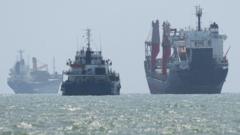
US Implements New Sanctions Framework Against Iran
The United States has escalated its economic pressure campaign by introducing fresh US sanctions Iran measures designed to penalize nations maintaining commercial ties with Tehran. These latest restrictions represent a significant expansion of Washington's enforcement mechanisms against the Iranian economy, particularly targeting countries that continue petroleum transactions with the Islamic Republic.
The sanctions regime specifically threatens international isolation for any nation that refuses to comply with America's directive to cease Iranian business activities. This approach has sparked considerable diplomatic friction, as many countries argue that such unilateral measures violate international law and contradict established trade agreements.
China's Sharp Response to Washington's Trade Strategy
Beijing has publicly criticized the new US sanctions Iran policy, characterizing the measures as fundamentally illegal and overreaching. Chinese officials argue that Washington lacks the authority to dictate global trading patterns and determine which nations may engage in lawful commerce with sovereign states.
China's opposition stems from its substantial economic interests in Iran, where the Asian powerhouse imports significant quantities of Iranian oil. The country views these sanctions as extraterritorial enforcement that undermines the principles of free trade and national sovereignty.
Oil Trade Between Iran and Beijing at Center of Dispute
Iran currently sells a considerable portion of its crude oil exports to China, establishing a critical economic relationship between the two nations. This energy partnership has become increasingly important as Iran faces international sanctions, making Chinese markets essential for the country's revenue generation and economic survival.
The petroleum trade between Tehran and Beijing represents a substantial commercial link that Washington seeks to disrupt through its new enforcement mechanisms. Beijing's refusal to abandon these business relationships signals defiance toward American foreign policy objectives and demonstrates the limitations of unilateral sanctions in a multipolar economic landscape.
International Partners Face Pressure and Compliance Dilemmas
Numerous countries find themselves caught between conflicting pressures as they navigate the implications of expanded US sanctions Iran regulations. Nations with existing Iranian business commitments must decide whether to maintain profitable trade relationships or comply with American demands to avoid potential secondary sanctions.
The European Union, India, and other significant trading nations have expressed concerns about Washington's approach, arguing that such measures create uncertainty in international markets and encourage economic blocs to operate independently of American influence.
Broader Implications for Global Trade Relations
These developments underscore growing tensions between Western powers and alternative economic arrangements favored by non-aligned nations. The US sanctions Iran strategy appears designed to completely isolate Tehran from global financial systems, but the resistance from major economies suggests this objective faces significant obstacles.
China's vocal opposition demonstrates that attempts to enforce universal compliance with American sanctions face formidable challenges in contemporary geopolitics. Developing alternatives to dollar-based transactions and Western-controlled payment systems may accelerate as countries seek to circumvent such restrictions.
Future Outlook for Diplomatic Relations
The confrontation over US sanctions Iran policy indicators reflects deeper disagreements about international law, sovereignty, and the proper exercise of economic power. Without diplomatic engagement, tensions between Washington and Beijing regarding Iran policy are likely to intensify further.
How nations respond to these pressures will significantly influence the trajectory of global trade patterns and the effectiveness of international sanctions as a policy tool for achieving foreign policy objectives.