
US Halts HIV Program Funding in South Africa
The United States announces the discontinuation of HIV programme funding in South Africa, affecting millions. Learn about this critical policy shift and its imp...
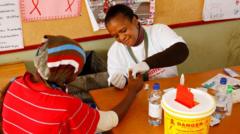
United States Announces Halt to HIV Funding in South Africa
The United States has made the significant announcement that it will cease financial support for HIV programmes in South Africa, marking a substantial shift in international health cooperation. This decision carries profound implications for a nation grappling with an unprecedented public health challenge. South Africa currently hosts the world's largest HIV-positive population, representing a critical moment in the ongoing battle against the virus.
The Scale of the HIV Crisis
More than eight million South Africans are living with HIV, a figure that underscores the magnitude of the challenge facing the nation. This represents the highest concentration of HIV cases globally, making South Africa a focal point for international health initiatives and support. The prevalence of the virus touches virtually every community and sector of society, from urban centers to rural areas.
Current Treatment Landscape
Despite the overwhelming numbers, South Africa has made considerable progress in expanding antiretroviral therapy access over the past two decades. Healthcare workers and international partners have worked tirelessly to provide treatment to millions of individuals, extending lives and reducing transmission rates. The country's response mechanisms have evolved considerably, establishing infrastructure for testing, counseling, and pharmaceutical distribution.
Implications of Reduced US Support
The withdrawal of American funding raises critical questions about the continuity of existing HIV programmes throughout South Africa. Many health facilities and non-governmental organizations have relied on US assistance to sustain their operations, conduct research, and provide comprehensive care services. The funding reallocation may create gaps in service delivery precisely when momentum in fighting the epidemic has been building.
Vulnerable Populations at Risk
Communities most affected by HIV—including low-income populations, marginalized groups, and rural residents—face potential disruptions to their healthcare access. These populations often depend on grant-funded programs for preventative services, treatment initiation, and ongoing medical support. The reduction in resources could disproportionately impact those least able to afford alternative healthcare solutions.
South Africa's Response and Alternatives
South African health authorities and policymakers are evaluating the impact of this funding decision on their national health strategy. The government, alongside local and international NGOs, is exploring alternative funding mechanisms and partnerships to sustain critical HIV services. Private sector involvement, regional cooperation, and renewed domestic investment are being considered as potential solutions.
Partnership Opportunities
Other international partners, including the World Bank, the Global Fund to Fight AIDS, Tuberculosis and Malaria, and bilateral donors, may step in to fill funding gaps. South Africa's established relationships with multiple global health organizations position the country to seek continued support through diversified channels and renewed negotiations.
Long-Term Health Implications
The interruption of HIV programmes could have far-reaching consequences for disease transmission rates, treatment adherence, and public health outcomes. Achieving and maintaining viral suppression across the population requires consistent, uninterrupted access to medications and clinical services. Any disruption threatens progress made in reducing new infections and improving survival rates among those living with HIV.
The decision underscores the fragility of international health commitments and the vulnerability of developing nations to shifts in donor country policies. For South Africa, maintaining the momentum in its HIV response will require creative solutions, strengthened domestic capacity, and sustained commitment from all stakeholders invested in controlling the epidemic.