
Unprecedented Financial Isolation: US Treasury Secretary Announces Comprehensive Iran Sanctions Strategy
US Treasury Secretary Scott Bessent warns Iran faces 'greatest financial offensive ever,' threatening economic isolation for any nation partnering with Tehran....
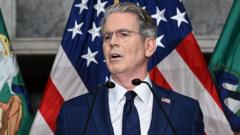
US Launches Unprecedented Economic Campaign Against Iran
The United States is implementing what officials describe as an unparalleled economic initiative targeting Iran's financial infrastructure. Scott Bessent, serving as Treasury Secretary, made clear that Iran financial sanctions represent the most comprehensive financial pressure the nation has ever encountered. The administration's approach signals a dramatic shift in how Washington intends to address Tehran's regional activities and nuclear program through economic mechanisms rather than military intervention.
Bessent emphasized that the strategy involves severing virtually all economic connections between the United States and Iran, effectively cutting off access to the American financial system and international markets dependent on US dollar transactions. This financial isolation strategy extends beyond direct US-Iran relations, creating a ripple effect throughout the global economy.
Global Economic Consequences and Warnings
The Treasury Secretary articulated a clear message to international partners: any nation that chooses to conduct financial transactions with Iran will face severe economic consequences. This threat encompasses banking relationships, investment opportunities, and commercial partnerships that could be restricted or eliminated. Countries and corporations must evaluate the costs of maintaining economic ties with Tehran against the risk of being excluded from American financial markets and transactions.
The pronouncement carries significant weight given the US dollar's dominance in global finance. Most international transactions, even those not directly involving American entities, rely on dollar clearing systems. By threatening to exclude nations from these systems, the United States leverages its position as the world's largest economy to enforce compliance with its Iran policy.
Strategy Behind Maximum Economic Pressure
This approach represents what officials term a "maximum pressure" campaign, designed to make it economically unfeasible for other nations to engage with Iran. The strategy acknowledges that economic isolation, properly executed through coordination with financial institutions and trading partners, can achieve policy objectives without direct military action.
The administration's position reflects a belief that comprehensive economic measures can be more effective and sustainable than military interventions. By targeting Iran's access to international markets, oil exports, banking systems, and financial transactions, policymakers aim to create conditions that force behavioral changes in Tehran's policies regarding its nuclear program and regional military activities.
International Implications and Compliance
The warning directed at nations partnering with Iran creates a significant diplomatic dilemma for countries with existing trade relationships or geopolitical interests in the region. European nations, Asian trading partners, and Middle Eastern countries must carefully consider how to navigate between maintaining limited economic relationships with Iran and avoiding American sanctions.
Some nations have previously attempted to circumvent American sanctions through alternative payment mechanisms and barter systems, but the comprehensiveness of the threatened financial isolation makes such workarounds increasingly difficult. The involvement of international banking systems, SWIFT payment networks, and dollar-denominated transactions means that isolation can be nearly total if properly coordinated.
Enforcement Mechanisms and Reach
The Treasury Department possesses extensive tools to enforce such sanctions, including designating individuals and entities, blocking assets, and restricting access to the American financial system. Secondary sanctions—penalties applied to foreign companies and nations dealing with Iran—extend the reach of American policy beyond direct Iran transactions.
Financial institutions worldwide face pressure to comply with American sanctions regulations or risk losing their own access to dollar clearing systems and American markets. This creates a powerful enforcement mechanism where private sector actors effectively become extensions of US foreign policy.
Broader Context and Long-Term Goals
Bessent's announcement reflects the incoming administration's intention to aggressively pursue policies against countries deemed hostile to American interests. The unprecedented nature of the threatened financial offensive suggests policymakers believe previous sanctions regimes were insufficient or inadequately enforced.
The strategy assumes that economic pressure, sustained over time and applied comprehensively, can fundamentally alter Iran's calculations regarding its nuclear program, support for regional proxy forces, and missile development. Whether such pressure achieves its intended diplomatic objectives while minimizing humanitarian consequences remains a significant question for the international community.