
ULEZ Improves London Children's Lung Health
Study reveals London's ultra-low emission zone significantly improves respiratory function in children. Sadiq Khan's ULEZ policy shows major health benefits.
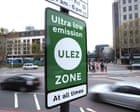
London's Ultra-Low Emission Zone Delivers Remarkable Health Improvements
Sadiq Khan's ultra-low emission zone in London has emerged as a transformative environmental initiative, demonstrating significant health benefits for the city's youngest residents. A recent comprehensive study has provided compelling evidence that the ultra-low emission zone policy has directly contributed to improved lung development and respiratory function among London children, marking a watershed moment in urban air quality management.
The research findings underscore the urgent need to reassess air quality standards across British cities. As multiple environmental advocates have highlighted, the success of London's ultra-low emission zone raises fundamental questions about public health priorities and whether similar measures should be implemented nationwide to protect vulnerable populations.
Documented Health Improvements Among London Youth
The study analyzing the impact of London's ultra-low emission zone has revealed measurable improvements in children's respiratory health. Researchers found that younger residents in the capital are experiencing better lung size and enhanced pulmonary function compared to previous baseline measurements. These tangible health outcomes represent far more than statistical improvements—they reflect real benefits for the physical development and long-term wellbeing of London's children.
The ultra-low emission zone, implemented under Mayor Khan's environmental strategy, restricts vehicle access based on emission standards. This targeted approach has successfully reduced harmful pollutants in the urban atmosphere, creating cleaner air for residents to breathe. The correlation between reduced vehicular emissions and improved pediatric respiratory health validates the policy's fundamental premise.
Expanding Clean Air Access Across the United Kingdom
Public health experts and environmental advocates are now questioning why similar protections should not extend across other British urban centers. The success of London's ultra-low emission zone implementation raises pressing concerns about environmental equity and whether children in other major cities deserve comparable air quality protections.
The question of whether clean air constitutes a fundamental human right has gained renewed prominence following these research findings. If measurable health improvements result from reducing air pollution in one city, then the logic suggests that similar interventions could benefit respiratory health across the nation's population centers.
Role of Educational Institutions and Regulatory Bodies
The study results have prompted broader conversations about institutional responsibilities regarding air quality monitoring. Currently, schools throughout the UK operate without mandatory air-quality assessment requirements, despite evidence that children spend significant portions of their day in educational environments.
Educational authorities and government departments face questions about whether they should establish standardized air-quality monitoring systems in schools nationwide. Such measures would provide parents and guardians with transparent data regarding environmental conditions affecting their children's health. Ofsted and the Department for Education could potentially mandate regular air-quality assessments, creating accountability mechanisms for protecting student health.
Without accessible data on indoor and outdoor air quality at educational facilities, parents remain uninformed about potential respiratory risks their children face during school hours. Implementing comprehensive monitoring systems would represent a crucial step toward ensuring environmental health equity across socioeconomic backgrounds.
Policy Implementation Lessons for Urban Centers
London's ultra-low emission zone experience provides valuable evidence supporting urban environmental policy innovation. The program demonstrates that targeted vehicular emission restrictions can produce measurable public health improvements within relatively short timeframes.
Other metropolitan authorities considering environmental quality initiatives now have empirical support for implementing similar measures. The financial costs of pollution-related health complications, including increased asthma prevalence, reduced lung capacity, and cardiovascular issues in younger populations, likely exceed the economic burden of implementing stringent emission standards.
Broader Public Health Considerations
The ultra-low emission zone success story extends beyond mere air quality statistics. It represents a tangible commitment to protecting vulnerable populations and prioritizing public health outcomes. Environmental policy decisions carry profound implications for population-level health trajectories, particularly among children whose respiratory systems continue developing during formative years.
The research documenting improved lung function among London children provides compelling justification for expanding similar environmental protections throughout the United Kingdom. As the nation continues grappling with public health challenges, adopting evidence-based environmental policies offers a pathway toward measurable wellbeing improvements across diverse communities.