
Ukraine's Military Leadership Shifts After Syrskyi Dismissal
Oleksandr Syrskyi dismissed as top commander following public backlash over Defence Minister Fedorov's removal. Ukraine military reshuffled.
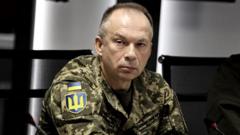
Ukraine Military Commander Dismissed Amid Leadership Crisis
President Volodymyr Zelensky has removed Oleksandr Syrskyi from his position as commander-in-chief of Ukraine's armed forces, marking a significant shift in the country's military hierarchy. The Ukraine military commander dismissed decision comes after widespread public demonstrations and mounting pressure related to the controversial removal of Defence Minister Mykhailo Fedorov, who had gained considerable popularity among Ukrainian citizens and military personnel.
Background to the Dismissal
The dismissal of Ukraine's top military official represents a direct response to days of sustained protests that swept across the nation. Citizens and service members expressed their discontent through organized demonstrations, with many voicing concerns about the handling of personnel changes within the defence establishment. The removal of the well-regarded Defence Minister Fedorov had sparked considerable controversy, prompting Zelensky's administration to reassess its command structure.
Public Reaction and Protests
The backlash against military leadership decisions resonated throughout Ukrainian society. Protesters gathered in numerous cities, demonstrating their dissatisfaction with how top officials were being managed and dismissed. The public outcry highlighted the importance Ukrainians place on maintaining stability within their armed forces during this critical period. Defence Minister Fedorov's popularity among both civilian and military circles meant his removal generated substantial opposition.
Syrskyi's Role in Ukrainian Armed Forces
Oleksandr Syrskyi had served as the commander-in-chief of Ukraine's armed forces, holding one of the most critical positions within the country's defence ministry. His removal marks a turning point in the nation's military administration, with implications for ongoing operations and strategic planning. The decision reflects Zelensky's willingness to make significant personnel changes in response to public sentiment.
The Fedorov Controversy
Mykhailo Fedorov's removal from his position as Defence Minister had proven deeply unpopular with Ukrainians across various sectors of society. His tenure had been marked by initiatives that garnered public support, making his dismissal appear particularly controversial. The chain of events suggests that military leadership changes required careful consideration of public opinion and institutional stability. Defence Minister Fedorov had developed substantial credibility within Ukraine's armed forces and among the general population.
Implications for Military Leadership
The Ukraine military commander dismissed move sets the stage for reorganization within the defence establishment. New command structures will need to be established, and Zelensky's administration will likely focus on identifying replacements who can command both public trust and military respect. This reshuffling represents an attempt to balance institutional needs with democratic accountability to the Ukrainian people.
Political Context and Leadership Dynamics
These personnel decisions occur within the broader context of Ukraine's ongoing challenges and international situation. Zelensky's government continues to manage multiple pressures while attempting to maintain effective military command and public confidence. The willingness to respond to popular protests demonstrates a commitment to democratic principles, even when such decisions create administrative challenges within the defence sector.
Looking Forward
The dismissal of the military commander and the circumstances surrounding Defence Minister Fedorov's removal suggest that Ukraine's leadership structure will continue to evolve. Future appointments to key defence positions will likely receive increased scrutiny from both the public and media. The government appears committed to ensuring that its military administration maintains both effectiveness and public legitimacy moving forward. The events underscore the importance of maintaining civilian oversight and public confidence in Ukraine's armed forces during this critical period for the nation.