
UK Launches New Refugee Resettlement Pathways for Afghan Women and Palestinians
The UK government establishes fresh legal resettlement routes prioritizing Afghan women, girls, and Palestinians, offering faster access to permanent status fol...
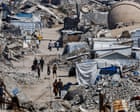
Government Announces Fresh Legal Routes for Vulnerable Populations
The United Kingdom has introduced new refugee resettlement routes designed to expedite access to permanent residency for Afghan women and Palestinian refugees. This significant policy shift, announced by the Justice Secretary, represents a reversal of previous restrictions and creates an accelerated pathway for some of the world's most vulnerable displaced persons seeking safety within British borders.
Addressing Gaps Left by Previous Closures
The establishment of these fresh resettlement routes follows the controversial discontinuation of the Afghan resettlement scheme that occurred during the previous year. Government officials have acknowledged the need to provide alternative legal channels for individuals facing persecution and humanitarian crises in their countries of origin. The new refugee resettlement routes aim to address the humanitarian concerns raised by international organizations and advocacy groups regarding the vulnerability of Afghan women and girls, as well as Palestinians displaced by ongoing regional conflicts.
Prioritizing the Most Vulnerable Cases
Under this revised framework, priority consideration will be given to cases involving extreme vulnerability and urgent humanitarian need. Afghan women and girls facing gender-based persecution, trafficking risks, and denial of basic rights represent a primary focus of the scheme. Similarly, Palestinians experiencing displacement and humanitarian hardship will benefit from expedited assessment processes designed to move eligible cases toward permanent status determinations more rapidly than conventional asylum procedures allow.
Permanent Status and Reduced Review Periods
A cornerstone of the new approach involves providing qualifying individuals with pathways to permanent residency status rather than temporary arrangements subject to recurring reviews. While refugee status will continue to undergo periodic assessment, the framework aims to provide greater stability and security for approved applicants. This represents a modification to earlier policies that maintained continuous review mechanisms spanning extended timeframes, which had created uncertainty and instability for vulnerable populations.
Policy Context and Previous Restrictions
The announcement marks a notable departure from the restrictive asylum policies implemented in previous years. The abrupt closure of the Afghan resettlement scheme had drawn criticism from humanitarian organizations, parliamentary committees, and international observers who argued that vulnerable Afghan nationals, particularly women and girls, faced abandonment during a critical period following geopolitical changes in Central Asia. The new refugee resettlement routes acknowledge these concerns and attempt to provide meaningful alternatives through lawful, organized channels.
Expected Impact on Vulnerable Populations
Officials have indicated that these routes will streamline processing for individuals meeting specific vulnerability criteria. Afghan women seeking to escape forced marriage, trafficking networks, and systemic discrimination will find accelerated pathways to safety. Palestinian families and individuals facing displacement will likewise benefit from formalized legal processes that recognize their humanitarian circumstances.
Legal Framework and Implementation
The new refugee resettlement routes operate within established international refugee conventions while incorporating domestic immigration legislation. The scheme requires coordination between government agencies responsible for security vetting, background verification, and status determination. Processing procedures are designed to balance humanitarian considerations with security protocols necessary for national administration.
Broader Context of UK Asylum Policy
This initiative reflects ongoing debates surrounding the appropriate balance between immigration control and humanitarian responsibility. Policymakers have grappled with maintaining secure borders while addressing international obligations under refugee law. The establishment of legal resettlement routes represents an effort to channel refugee admissions through orderly, managed processes rather than through irregular migration channels.
Expert Assessment and Limitations
While the announcement has been welcomed by humanitarian advocates, some experts have cautioned that the scale of new refugee resettlement routes may remain insufficient to address the full scope of global displacement crises. Analysts suggest that the number of individuals accommodated through these channels, while meaningful, represents a modest contribution relative to overall refugee populations globally. Additionally, questions persist regarding whether expanded legal pathways will substantially influence patterns of irregular migration across international borders.
Future Developments and Policy Evolution
The government has indicated that additional resettlement routes may be considered as circumstances evolve and implementation experience accumulates. Ongoing consultation with humanitarian organizations, international partners, and affected communities will inform future policy adjustments. The commitment to these new refugee resettlement routes signals a sustained focus on providing dignified, orderly pathways for persecution survivors while managing broader immigration objectives.