
UK Airlines Face Ban on Child Seating Charges
UK government plans to ban airlines from charging parents to sit with children under 14. New rules eliminate family seating fees and reduce booking correction c...
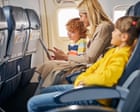
Government Implements Strict Rules on Airline Seating Charges
UK airlines face significant regulatory changes that will prohibit charging parents additional fees to remain seated alongside their children during flights. This government-led initiative represents a major shift in how carriers handle family seating arrangements and forms part of a broader initiative to address what officials describe as 'little charges that add up' for consumers.
The proposed legislation mandates that all passengers under the age of 14 must be seated adjacent to their parents or a designated accompanying adult without incurring supplementary costs. This comprehensive approach addresses long-standing consumer complaints regarding excessive ancillary charges that have become standard practice across the aviation industry.
Expanded Consumer Protection Measures
Beyond the child seating provisions, the government has outlined additional protections for air travelers. Passengers will no longer face charges when correcting clerical errors on their flight bookings, such as name misspellings or similar administrative mistakes. This measure aims to reduce the financial burden associated with simple booking corrections.
The regulatory framework reflects growing scrutiny of airline fee structures and their impact on family travel. By eliminating child seating charges, the government seeks to make air travel more accessible and affordable for families, particularly those with multiple young children who previously faced substantial additional expenses.
Background on Current Industry Practices
Contemporary airline business models have increasingly relied on ancillary revenues, with seating upgrades and family packages contributing significantly to carrier profits. Many airlines currently charge premium fees for seat selection, particularly when parents wish to secure adjacent seats with their children. These charges can range substantially depending on the flight duration and route.
The policy change acknowledges that such practices disproportionately affect families and contradicts principles of consumer fairness. Industry observers note that competing airlines in Europe have already implemented similar family-friendly policies, creating pressure on UK carriers to align their practices with international standards.
Implementation and Industry Response
The exact timeline for implementing these airline regulations remains under government consultation, with industry stakeholders currently providing feedback on the proposed framework. Airlines have traditionally argued that seat selection fees represent legitimate revenue diversification and that family packages offer competitive alternatives.
However, regulatory bodies have increasingly challenged these arguments, emphasizing that basic family unity should not constitute a luxury service subject to premium pricing. The UK government's position aligns with consumer advocacy groups and other regulatory authorities who view such charges as exploitative.
Broader Context of Consumer Protection
This initiative represents part of a comprehensive agenda addressing what policymakers describe as 'stealth charges' affecting consumers across multiple sectors. By targeting airline practices specifically, the government signals its commitment to aviation industry transparency and passenger rights protection.
The proposed ban on child seating charges and name correction fees demonstrates recognition that certain industry practices undermine travel affordability and family accessibility. As these regulations move toward implementation, UK airlines will require significant operational adjustments to their revenue models and booking systems to ensure compliance with the new requirements.