
Trump's Vaccine Policy: Impact on US Childhood Immunizations
Explore Trump's executive order on childhood vaccines, examining scientific evidence, potential vaccination rate changes, and disease resurgence risks in Americ...
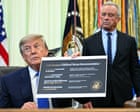
Trump's Vaccine Policy: Impact on US Childhood Immunizations
A significant shift in American healthcare policy emerged when President Donald Trump issued a new executive order targeting the nation's childhood vaccination framework. Trump's vaccine policy represents a fundamental restructuring of how pediatric immunizations are administered across the United States, raising critical questions about public health implications and disease prevention strategies.
Understanding the Executive Order
The presidential directive mandates comprehensive modifications to existing childhood vaccine recommendations established by federal health agencies. Trump's vaccine policy specifically addresses the combined measles, mumps, and rubella (MMR) immunization, proposing its replacement with three individual vaccine administrations rather than the current single-dose approach.
Beyond the MMR modification, the executive order stipulates that all childhood vaccinations should be distributed during separate medical appointments whenever feasible. This approach contrasts sharply with current CDC guidelines that emphasize combination vaccines and consolidated immunization schedules to maximize compliance and reduce healthcare burden on families.
Scientific Evidence and Expert Analysis
Health professionals and immunologists have scrutinized the scientific foundation underlying these proposed changes. Trump's vaccine policy lacks substantial peer-reviewed research supporting the separation of combination vaccines or the spacing of individual immunizations according to the outlined timeline.
The existing body of scientific literature demonstrates that combination vaccines undergo rigorous safety testing before approval. The MMR vaccine, in particular, has been administered to millions globally since its introduction, with extensive safety records documented across multiple decades. Medical organizations maintain that the current immunization schedule, informed by epidemiological data and clinical trials, provides optimal protection while minimizing adverse effects.
Anticipated Effects on Vaccination Rates
Critics of Trump's vaccine policy express concern that the requirement for separate medical visits could substantially decrease vaccination completion rates. Research consistently shows that complicated immunization protocols reduce parental compliance and increase the likelihood of missed doses.
Administrative and logistical challenges would intensify under the new framework. Families would need to schedule multiple appointments rather than addressing multiple vaccines during single visits. This structural change particularly affects lower-income families, rural communities, and populations with limited healthcare access, potentially creating disparities in vaccination coverage.
Resurgence of Preventable Diseases
Public health experts warn that declining vaccination rates under Trump's vaccine policy could facilitate the return of diseases that have been effectively controlled for decades. Measles, mumps, and rubella elimination efforts have required sustained high vaccination coverage across populations.
Historical evidence demonstrates the consequences of vaccination rate reductions. Recent measles outbreaks in various regions occurred when immunization rates fell below critical community immunity thresholds. A similar pattern could emerge nationally if Trump's vaccine policy results in the anticipated decrease in vaccination completion.
Global Health Implications
The ramifications of Trump's vaccine policy extend beyond American borders. International health organizations monitor vaccination trends in developed nations, as changes in immunization policy influence global health security and disease surveillance.
Lower vaccination rates in the United States could undermine cooperative international disease prevention efforts and weaken global immunity against infectious diseases. Emerging infectious disease threats require coordinated international response, and reduced vaccination infrastructure compromises collective pandemic preparedness.
Implementation Challenges and Practical Considerations
Healthcare providers express practical concerns about implementing Trump's vaccine policy within existing medical systems. Pediatric practices, vaccination clinics, and public health departments would require substantial restructuring to accommodate the separated immunization schedule.
Supply chain management, record-keeping systems, and appointment scheduling mechanisms would all require modification. The financial impact on healthcare providers administering additional separate visits raises questions about sustainability and equitable vaccine access across diverse communities.
Looking Forward: Public Health Considerations
The implementation of Trump's vaccine policy hinges on legislative processes and regulatory procedures. Health advocacy organizations continue monitoring developments while preparing evidence-based responses to inform policymakers about potential consequences.
Medical professionals emphasize that immunization decisions should remain grounded in scientific evidence and epidemiological data rather than administrative preferences. Protecting vulnerable populations, including infants and immunocompromised individuals, depends on maintaining effective vaccination strategies supported by clinical research.
The debate surrounding Trump's vaccine policy ultimately reflects broader tensions between traditional public health approaches and alternative frameworks for disease prevention, with significant implications for American health infrastructure and international disease control efforts.