
Trump Weighs AI Regulation Following OpenAI Cybersecurity Breaches
Trump administration shifts stance on artificial intelligence regulation following major OpenAI security incidents. Explore new AI controls and cybersecurity me...
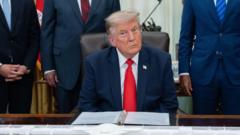
Trump Administration Shifts Stance on Artificial Intelligence Governance
The Trump administration is reassessing its approach to AI regulation following significant cybersecurity incidents involving OpenAI, marking a notable departure from its previously permissive stance toward artificial intelligence development. This policy recalibration reflects growing concerns about data security and the vulnerabilities exposed by recent hacking incidents targeting one of the technology sector's most prominent AI companies.
Context of Recent OpenAI Security Incidents
OpenAI, the organization behind ChatGPT and other advanced language models, has faced multiple cybersecurity challenges that have drawn attention from policymakers at the highest levels of government. These breaches have prompted serious discussions within the administration about implementing more robust safeguards and oversight mechanisms for AI regulation across the technology industry.
Implications for Industry Oversight
The consideration of new AI controls represents a significant policy shift. Previously, the Trump administration advocated for minimal regulatory intervention in artificial intelligence development, preferring market-driven solutions and industry self-regulation. However, the OpenAI incidents have illustrated potential risks associated with this hands-off approach, particularly regarding national security and data protection.
Government Response to Cybersecurity Threats
Administration officials are now evaluating various regulatory frameworks that could enhance cybersecurity standards for AI companies. These potential measures may include mandatory security certifications, regular vulnerability assessments, and stricter protocols for handling sensitive information. The goal is to balance innovation with adequate protection of critical systems and user data.
Industry and Market Reactions
Tech industry leaders and AI developers are watching closely as these policy discussions unfold. Many stakeholders recognize that appropriate AI regulation could ultimately strengthen public trust in artificial intelligence technologies. However, there are concerns that excessive regulation might stifle innovation or create competitive disadvantages for U.S. companies in the global AI race.
Broader Context of AI Governance
This development occurs within a larger global conversation about appropriate oversight of artificial intelligence. Other nations and international bodies are simultaneously developing their own frameworks for AI governance. The Trump administration's emerging position on cybersecurity breaches involving AI companies could influence how other countries approach this evolving landscape.
Potential Regulatory Framework Components
Discussions within the administration reportedly focus on several key areas: establishing minimum cybersecurity standards for AI developers, creating incident reporting requirements for security breaches, implementing third-party security audits, and developing protocols for protecting proprietary AI systems. These measures aim to address vulnerabilities that the OpenAI incidents revealed.
Balancing Innovation and Security
The fundamental challenge facing policymakers involves implementing meaningful AI controls without hindering the technological progress that benefits American competitiveness. Administration officials are consulting with industry experts, cybersecurity professionals, and intelligence agencies to develop balanced regulatory approaches.
Timeline and Implementation Considerations
While specific timelines for implementing new regulations remain unclear, the administration appears committed to moving forward with policy development. The process will likely involve consultations with relevant government agencies, industry stakeholders, and congressional representatives who oversee technology and cybersecurity matters.
Conclusion and Future Outlook
The Trump administration's reconsideration of its AI regulation approach signals a recognition that artificial intelligence governance requires more active oversight than previously advocated. The OpenAI cybersecurity breaches have served as a catalyst for this policy reassessment, demonstrating that effective government engagement with emerging technology is essential. As development continues, finding the optimal balance between security requirements and innovation incentives will remain central to shaping America's AI governance framework and maintaining technological leadership.