
Trump Reduces US Military Exercises with South Korea Following Iran Conflict Decision
Trump announces a significant reduction in US military drills with South Korea, citing his diplomatic relationship with North Korea as a key factor in the strat...
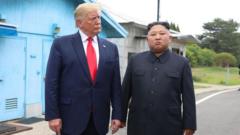
Trump Administration Scales Back Military Exercises with South Korea
The US military exercises with South Korea are set to undergo significant reductions, according to recent announcements from the Trump administration. This strategic decision regarding US military exercises with South Korea marks a notable shift in the defense posture maintained by Washington in the Korean peninsula, reflecting broader diplomatic considerations in Asia-Pacific relations.
The decision to downsize these military operations comes amid evolving geopolitical circumstances in the Middle East and reflects the administration's commitment to balancing multiple regional interests. Officials have emphasized that this approach aims to pursue alternative pathways for achieving security objectives while maintaining strong alliance bonds with key partners in the region.
Strategic Reasoning Behind the Decision
Trump has publicly attributed his approach to maintaining what he describes as a "very good relationship" with North Korea's leader. This diplomatic rapport has become a cornerstone of the administration's foreign policy calculations in Northeast Asia. The president's emphasis on personal relationships with international leaders has consistently influenced policy decisions throughout his tenure.
The scaling back of US military exercises with South Korea reflects a strategic pivot toward dialogue-based approaches rather than purely military-centric deterrence mechanisms. This methodology represents a departure from decades of established protocols that prioritized large-scale joint military operations as a primary means of maintaining security in the peninsula.
Impact on the US-South Korea Alliance
Despite the reduction in military drills, administration officials have stressed that the commitment to South Korea's security remains unwavering. The US military presence in South Korea, including the deployment of troops and defense systems, continues to form the backbone of regional security arrangements. The downscaling of exercises does not diminish the fundamental defense obligations under existing bilateral agreements.
South Korea's decision to remain out of Middle Eastern military operations has also been cited as a contributing factor to this policy recalibration. The Korean government's independent assessment of regional threats and interests has allowed Washington to reconsider the scale and frequency of joint military activities without compromising core security interests.
Implications for Regional Stability
Military analysts have offered varying perspectives on the implications of reducing US military exercises with South Korea. Some observers view this approach as fostering conditions for negotiation with North Korea, potentially opening diplomatic channels that have remained frozen for extended periods. Others express concerns about deterrence credibility and the message such reductions might send regarding American commitment to regional security.
The decision reflects broader questions about the role of military drills in modern strategic planning. Traditional approaches emphasized large-scale exercises as essential tools for maintaining readiness and alliance cohesion. However, the administration's perspective suggests that alternative confidence-building measures and diplomatic engagement can serve complementary security objectives.
Looking Forward
The Trump administration's decision to scale back US military exercises with South Korea signals a preference for relationship-based diplomacy in addressing regional security challenges. This approach prioritizes high-level dialogue and personal connections between leaders as mechanisms for preventing conflict and achieving mutually acceptable security arrangements.
As this policy unfolds, stakeholders across the region will monitor whether the reduction in military activities catalyzes meaningful diplomatic breakthroughs or creates new vulnerabilities. The success of this strategy will likely determine whether similar approaches toward military exercises become established practice or represent a temporary departure from conventional security protocols in the Asia-Pacific region.