
Trump Backs UK Ties With Burnham Despite AI Row
Trump praises Burnham as natural businessman at UN meeting, highlighting stronger US-UK relations despite tensions over AI regulation and Chagos.
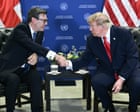
Trump Endorses Stronger US-UK Relations Through Burnham
During their inaugural face-to-face meeting at the United Nations assembly in New York, Donald Trump expressed optimism about US-UK diplomatic relations, suggesting that connections under Andy Burnham represent an improvement compared to the previous administration under Keir Starmer. Trump Burnham discussions focused on mutual interests despite several contentious matters dividing the two nations, including artificial intelligence policy, territorial disputes, and international security concerns.
The American president delivered considerable praise toward the UK leader, describing him as a "natural businessperson" with significant capabilities and potential for future leadership success. Trump indicated confidence in Burnham's capacity to guide the United Kingdom forward, suggesting he possessed "lots of assets on his side" and would prove to be a "great" prime minister moving forward.
Navigating Diverging Positions on Key Issues
Despite the cordial nature of their initial meeting, substantive disagreements persist between Washington and London across multiple policy domains. The Trump Burnham relationship must contend with differing approaches to regulating artificial intelligence, an increasingly critical technology shaping global economics and security frameworks. Both nations maintain distinct regulatory philosophies regarding AI development, deployment, and oversight mechanisms, creating friction in bilateral technology discussions.
The Chagos Islands dispute represents another significant area of tension in contemporary Anglo-American relations. This longstanding territorial matter involves competing claims and historical complexities that continue to influence broader diplomatic dynamics between the two countries. The status and governance of these strategically important islands remain unresolved, requiring careful diplomatic navigation by both administrations.
International Security and Regional Conflicts
Regional developments, particularly involving Iran and associated military conflicts, further complicate the bilateral relationship landscape. The Trump administration and UK leadership maintain differing perspectives on appropriate responses to Iranian activities and Middle Eastern security challenges. These divergences reflect broader strategic calculations about regional stability, international alliances, and long-term geopolitical positioning in the Middle East.
Trump's characterization of improved US-UK relations under Burnham suggests his administration views the new UK leadership as more aligned with American interests and diplomatic objectives. This assessment, while encouraging to American policymakers, coexists with genuine policy disagreements that require sustained engagement and negotiation to resolve effectively.
First Meeting Establishes Foundation for Dialogue
The initial encounter between Trump and Burnham provided an opportunity for both leaders to establish personal rapport and communicate their respective national priorities. The American president's positive remarks about Burnham's business acumen and leadership potential signal his willingness to develop productive working relationships, despite underlying disagreements on substantive policy matters.
Moving forward, Trump Burnham interactions will likely focus on identifying common ground while managing differences constructively. The bilateral relationship requires ongoing dialogue to address artificial intelligence governance, resolve territorial disputes, and coordinate responses to regional security challenges. Both nations possess significant geopolitical influence and economic interdependencies that incentivize finding workable solutions to contentious issues.
Implications for Transatlantic Partnership
The trajectory of US-UK relations under this new configuration carries implications extending beyond bilateral affairs to broader transatlantic dynamics. As traditional Western alliances face evolving challenges and competition from alternative global power centers, maintaining strong Anglo-American cooperation remains strategically important for both countries. The Trump administration's apparent confidence in Burnham's leadership suggests potential for renewed partnership, provided both sides navigate disagreements with diplomatic maturity.