
Trump Attacks Media at White House Correspondents' Dinner Event
Trump takes swipes at press during White House Correspondents' Dinner, celebrating press freedom after April shooting cancelled inaugural event.
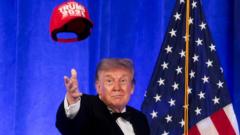
Trump Criticizes Media at Journalists' Annual Gathering
During the White House Correspondents' Dinner, Trump takes swipes at press representatives gathered for the prestigious annual event. The gathering marked a significant moment for the journalism community as the celebration reaffirmed commitment to press freedom following unprecedented challenges to the event's continuity.
Context Behind the 2024 Dinner
The White House Correspondents' Dinner represents one of the most anticipated occasions in American journalism, bringing together media professionals, government officials, and public figures. This particular edition carried special significance as organizers worked to restore the tradition after disruptions to the scheduled programming.
Recovery from April Incident
Earlier in the year, security concerns necessitated the cancellation of the initially planned dinner in April. A shooting incident created uncertainty about whether the event could proceed safely. However, organizers demonstrated resilience by rescheduling and moving forward with the celebration, reinforcing the importance of maintaining this cornerstone of press-government relations.
Trump's Remarks and Media Response
Trump takes swipes at press with characteristic directness, continuing his long-standing contentious relationship with mainstream media outlets. His comments during the dinner reflected ongoing tensions between the former president and journalists covering his activities and political positions. The remarks generated immediate discussion among attendees and media commentators analyzing the implications of such rhetoric.
The president's critique focused on what he characterized as biased reporting and unfair coverage of his administration's accomplishments. These accusations have remained consistent throughout his political career, resonating with segments of his supporter base while drawing criticism from journalism advocacy organizations.
Significance for Press Freedom
Despite the controversies and tensions evident at the gathering, the dinner itself represented a powerful statement about press freedom in democratic societies. Journalists from diverse outlets and perspectives convened to celebrate their profession and reaffirm their commitment to reporting on government activities and holding power accountable.
Press freedom advocates emphasized that such events provide opportunities for reflection on journalism's role in democracy. The gathering underscored the necessity of maintaining independent media institutions capable of investigating government actions and informing the public about matters of national importance.
The Broader Narrative
Trump takes swipes at press as part of a broader pattern of antagonism toward media institutions that extends beyond this particular event. His administration had previously restricted press access, challenged reporter credentials, and frequently characterized unfavorable coverage as "fake news." These confrontational approaches have shaped contemporary media-government relationships in significant ways.
The dinner's resurrection following the April cancellation demonstrated the resilience of American institutional traditions. Despite security concerns and political polarization, media professionals and government representatives continued their annual tradition of gathering for dialogue, however contentious that exchange might prove.
Historical Context
The White House Correspondents' Dinner has operated since 1921, serving as a unique intersection between political power and press scrutiny. Historically, sitting presidents and their predecessors have used the occasion for remarks ranging from self-deprecating humor to substantive commentary on media relations and governance.
Looking Forward
As the journalism industry navigates evolving media landscapes and declining trust in some institutions, events like the White House Correspondents' Dinner maintain particular importance. They serve as visible reminders that despite disagreements about specific coverage, the fundamental relationship between press and government remains essential to democratic function.
The dinner's continuation represents more than ceremonial tradition; it symbolizes the persistence of institutions designed to facilitate accountability and public discourse. Whether future iterations will feature similar tensions or represent moments of greater accord remains to be seen as political and media landscapes continue shifting.