
Trump Administration Allocates $1.2B to German Energy Giant to Suspend US Wind Operations
Trump administration commits $1.2 billion to RWE for halting US wind projects. Discover the latest developments in the renewable energy policy shift.
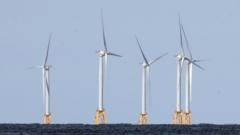
Trump Administration Approves Major Payment to RWE for Wind Project Termination
The Trump administration has committed to paying a substantial $1.2 billion to RWE, a prominent German energy corporation, as part of an agreement to terminate ongoing wind energy operations across the United States. This significant financial settlement represents a continuation of the administration's strategic approach toward limiting renewable energy development and prioritizing alternative power generation methods.
Context of the RWE Compensation Agreement
The decision to allocate $1.2 billion to the German firm marks another milestone in a broader series of negotiations aimed at scaling back wind energy initiatives throughout American territories. RWE, one of Europe's largest energy producers with substantial investments in the US renewable sector, has agreed to suspend its wind projects as part of this landmark compensation package.
This agreement between the Trump administration and RWE demonstrates the administration's deliberate effort to reshape America's energy landscape by reducing dependence on wind power—a renewable resource source that has faced consistent criticism from Trump administration officials throughout their tenure.
Wind Energy: A Long-Standing Point of Contention
The Trump administration's opposition to wind energy development is not a recent phenomenon. Throughout his political career, Trump has been openly critical of wind power, frequently characterizing it as an unreliable and aesthetically problematic energy source. The administration's current policy initiatives reflect these long-held convictions regarding renewable energy alternatives.
Wind energy, despite its potential as a sustainable power source, has remained a controversial topic within certain political circles. The administration's commitment to paying substantial sums to terminate these projects underscores the depth of its commitment to curbing wind energy expansion across US borders.
Series of Project Cancellations and Policy Shifts
The RWE deal is part of an expanding collection of arrangements designed to cancel or halt wind energy initiatives. The administration has pursued multiple strategies to discourage wind project development, ranging from regulatory changes to direct financial settlements with energy companies operating wind installations.
These cancellations represent a fundamental shift in energy policy priorities, signaling the administration's preference for conventional energy sources over renewable alternatives. The pattern of deals and agreements suggests a coordinated effort to reshape the nation's energy infrastructure according to specific ideological and economic preferences.
Implications for the Renewable Energy Sector
The commitment to pay $1.2 billion to RWE carries significant implications for the broader renewable energy industry in America. Such substantial financial disbursements to halt wind operations may set precedents for future negotiations between the administration and other renewable energy companies with active US operations.
Energy companies invested in wind technology now face uncertainty regarding the regulatory environment and potential policy reversals that could affect their operations. The financial incentives offered by the administration for project termination may encourage additional companies to abandon or suspend their wind energy ventures.
Financial and Strategic Considerations
The decision to allocate taxpayer funds to compensate RWE reflects the administration's strategic prioritization of energy policy over fiscal constraints. The $1.2 billion payment represents a significant investment in reshaping America's energy portfolio according to the administration's vision.
This financial commitment raises questions about the long-term economic implications of actively dismantling renewable energy infrastructure rather than allowing market forces to determine energy development patterns. The administration's willingness to invest substantial resources in halting wind projects demonstrates the political importance placed on this policy objective.
Future Energy Policy Direction
As the administration continues implementing its energy agenda, additional wind project cancellations and related compensation agreements may emerge. The RWE settlement establishes a template for how the administration intends to address renewable energy operations moving forward.
The broader energy policy direction suggests a comprehensive strategy to prioritize conventional energy sources while systematically reducing wind energy capacity. This approach contrasts sharply with the previous administration's renewable energy expansion initiatives and reflects fundamentally different priorities regarding environmental and energy policy frameworks.