
Travelodge Guest Bitten by Bed Bugs During Overnight Stay
A Travelodge guest suffered multiple bed bug bites during her stay, leaving her with physical marks and emotional distress. Learn about this incident and guest...
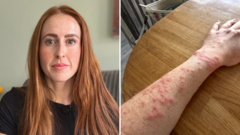
Guest Experiences Distressing Bed Bug Encounter at Hotel Chain
A bed bug attack at a Travelodge location has left one guest dealing with the aftermath of an unwelcome encounter during what should have been a routine hotel stay. The incident highlights ongoing concerns about pest control standards in the hospitality industry and the impact such experiences have on travelers.
Understanding the Guest's Experience
Hannah Stephenson found herself the victim of multiple insect bites during her time at the accommodation facility. The physical marks left by the bed bug attack have become a source of significant distress, extending beyond mere physical discomfort. The visible nature of the bites has contributed to feelings of self-consciousness and embarrassment for the guest.
The psychological impact of discovering pest-related issues during a hotel stay should not be underestimated. Guests expect clean, safe environments when they check into accommodation providers, and discovering evidence of bed bugs can shake confidence in the establishment's hygiene standards and pest management protocols.
The Reality of Bed Bug Infestations in Hotels
Bed bug incidents in hotel accommodations represent a growing concern across the travel industry. These parasitic insects do not discriminate between budget and luxury establishments, affecting properties of all categories. The presence of bed bugs can occur despite rigorous cleaning procedures, as these pests are particularly adept at hiding and traveling through various environments.
How Bed Bug Attacks Occur
When guests experience a bed bug attack during their hotel stay, the insects typically emerge from mattresses, bed frames, and surrounding furniture during nighttime hours. They are attracted to the carbon dioxide and heat emitted by sleeping humans. The bites themselves often appear as clusters of red welts on exposed skin areas, such as arms, legs, and face.
Unlike a mosquito bite, bed bug attack marks can persist for extended periods, sometimes causing itching and discomfort that lasts for days or even weeks. The visibility of these marks often intensifies the emotional impact on affected individuals, particularly when they appear on highly visible areas of the body.
Guest Rights and Hotel Responsibility
Hotels have a legal and ethical responsibility to maintain pest-free environments for their guests. When a bed bug attack occurs, guests are typically entitled to compensation or alternative accommodation. Travelodge, as a major UK hotel chain, maintains policies designed to address such incidents promptly.
Affected guests should report any signs of pest infestation immediately to hotel management. Documentation through photographs and communication with staff creates an important record of the incident. This information helps the establishment address the problem and prevents future occurrences.
Impact on Guest Well-being and Travel Confidence
The aftermath of a bed bug attack extends beyond physical marks. Many guests report experiencing anxiety before subsequent hotel stays, constantly checking accommodations for signs of pests. This psychological impact can influence travel decisions and brand loyalty, affecting both individual guests and the reputation of hospitality providers.
Hannah Stephenson's experience reflects a broader concern among travelers about accommodation safety and cleanliness standards. The visibility of bed bug bite marks has added an emotional dimension to her experience, with self-consciousness about the bites affecting her confidence in social situations.
Prevention and Response Measures
Hotels implement various strategies to prevent and manage bed bug infestations. These include regular inspections of mattresses and furniture, staff training on identifying signs of pest activity, and protocols for guest-reported incidents. When identified, professional pest control services are typically engaged to address the problem thoroughly.
Guests can also take protective measures during hotel stays, including inspecting the mattress and furniture upon arrival, storing luggage away from beds, and checking suitcases carefully before returning home. These precautions help minimize the risk of inadvertently transporting bed bugs to other locations.
Moving Forward
Incidents like the bed bug attack reported by this Travelodge guest underscore the importance of rigorous hygiene standards in the hospitality sector. Both guests and hotel providers share responsibility for maintaining clean, pest-free environments. Transparency in addressing such issues and prompt remedial action help rebuild guest confidence and maintain trust in accommodation providers.