
Toilet Flushing Releases Pathogenic Aerosols Dangerous to Breathe
New research reveals flushing toilets create airborne pathogen plumes containing legionella, influenza and norovirus that persist for 20+ seconds.
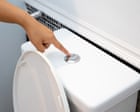
Toilet Flushing Aerosols: A Hidden Health Threat
Recent scientific investigation has unveiled a concerning health hazard related to everyday bathroom practices: toilet flushing aerosols. When toilets are flushed, they generate turbulent water flows that propel microscopic particles containing dangerous pathogens into the air, creating what researchers describe as a pathogenic plume capable of transmitting serious illnesses.
The research demonstrates that these toilet flushing aerosols become suspended in the breathing zone occupied by adults and can remain airborne for a minimum of twenty seconds after each flush. This extended airtime significantly increases the risk of inhalation exposure to harmful microorganisms, including legionella, influenza virus, and norovirus.
Understanding the Aerosol Generation Process
The mechanism behind toilet flushing aerosols involves complex fluid dynamics. When water rushes through the toilet bowl during flushing, it creates turbulent conditions that force liquid and suspended particles upward into the air. This turbulence is particularly intense in modern high-pressure flush systems, which accelerate water at significant speeds to ensure effective waste removal.
The resulting aerosols are extremely small particles that can easily penetrate deep into the respiratory system when inhaled. Unlike larger droplets that fall quickly to surfaces, these microscopic particles remain suspended and can travel considerable distances within enclosed bathroom spaces.
Pathogenic Risk Associated With Toilet Aerosols
The pathogens found in toilet flushing aerosols represent a serious public health concern. Legionella bacteria, responsible for Legionnaire's disease, can cause severe pneumonia and respiratory complications. Influenza viruses spread efficiently through respiratory routes, particularly via small aerosol particles. Norovirus, a highly contagious gastrointestinal pathogen, also transmits effectively through aerosol dispersal.
Research indicates that bathroom environments provide ideal conditions for pathogen survival and transmission. The moisture-rich atmosphere, enclosed space, and frequent human contact create a perfect storm for disease spread through toilet flushing aerosols.
Lid Closure: An Insufficient Barrier
Many people assume that closing the toilet lid before flushing prevents aerosol escape. However, the new findings suggest this common practice offers limited protection. Even with the lid closed, toilet flushing aerosols can escape through gaps and ventilation systems, reaching the breathing zone of bathroom occupants.
The aerosol particles generated by toilet flushing are sufficiently small and energetic to bypass physical barriers. Water pressure forces these pathogenic particles through micro-spaces around the lid and into the surrounding air. Additionally, bathroom ventilation systems can distribute toilet flushing aerosols throughout the space and potentially into adjacent rooms.
Implications for Public Health and Hygiene
This discovery has significant ramifications for how people approach bathroom sanitation and personal health protection. Standard hygiene practices, including handwashing after toilet use, become even more critical when considering the invisible threat of airborne pathogens. However, handwashing alone cannot address inhalation exposure to toilet flushing aerosols.
Healthcare facilities face particular challenges, as hospitalized patients and healthcare workers face elevated exposure risks. Immunocompromised individuals, elderly people, and those with respiratory conditions face heightened vulnerability to infections transmitted through toilet flushing aerosols.
Preventing Exposure to Pathogenic Bathroom Aerosols
Several strategies can help minimize exposure to toilet flushing aerosols. Improving bathroom ventilation through exhaust fans and air circulation systems helps remove suspended particles more quickly. Maintaining proper distance from actively flushing toilets reduces direct inhalation exposure. Some experts recommend leaving the bathroom immediately after flushing to avoid extended exposure to the aerosol-laden air.
Regular cleaning and disinfection of bathroom surfaces, particularly around toilets, helps reduce pathogen reservoirs. UV light technology and advanced filtration systems in bathrooms may offer additional protection in high-risk settings like hospitals and care facilities.
Research Directions and Future Improvements
Scientists continue investigating the mechanisms of toilet flushing aerosols and their transmission potential for various pathogens. This research drives development of improved toilet designs that minimize aerosol generation through modified flushing mechanisms and optimized water flow patterns.
Better understanding of toilet flushing aerosols in different environmental conditions, including various humidity levels and air temperatures, will refine public health recommendations. Ongoing studies examine how architectural features and ventilation design influence aerosol dispersal patterns in residential and commercial bathrooms.
The discovery that toilet flushing aerosols can transmit dangerous pathogens represents an important public health finding that challenges conventional assumptions about bathroom safety. While closing the lid provides some benefit, complete protection requires comprehensive approaches combining improved ventilation, enhanced sanitation, and behavioral modifications to minimize exposure risk.