
Tai Chi and Chinese Exercises Proven Effective
Latest research confirms tai chi delivers high certainty evidence for improving function, pain, and mental health in 1.7bn people with musculoskeletal condition...
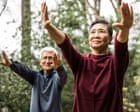
Comprehensive Research Validates Traditional Chinese Exercise Benefits
A groundbreaking systematic review has established that tai chi musculoskeletal disorders can be significantly improved through consistent practice of traditional Chinese exercises. The research demonstrates high certainty evidence supporting the effectiveness of these ancient practices for millions of individuals worldwide who struggle with movement-related conditions.
Approximately 1.7 billion people globally experience some form of musculoskeletal condition, affecting populations across all age groups and geographical regions. This massive health burden has prompted researchers to examine alternative and complementary approaches that could provide relief without relying solely on pharmaceutical interventions or invasive procedures.
Documented Health Improvements from Traditional Practices
The comprehensive analysis reveals multiple dimensions of health improvement associated with tai chi and related Chinese exercises. Practitioners experience measurable enhancements in physical function, allowing them to perform daily activities with greater ease and mobility. Beyond physical improvements, tai chi musculoskeletal disorders treatment also addresses pain management, with participants reporting significant reductions in discomfort levels.
Mental health represents another crucial area of benefit documented in this research. Individuals practicing these traditional Chinese exercises report improved psychological well-being, reduced anxiety, and enhanced emotional resilience. Sleep quality, which often deteriorates in those with chronic musculoskeletal conditions, shows marked improvement through regular practice of these movement disciplines.
Bone Density and Long-Term Health Outcomes
One particularly significant finding concerns bone mineral density. The research demonstrates that Chinese traditional exercises contribute to stronger bones, an especially important consideration for aging populations at risk of osteoporosis and fracture-related complications. This benefit extends the value of these practices beyond immediate symptom management to long-term skeletal health preservation.
The high certainty evidence classification indicates that researchers conducting this review applied rigorous methodological standards. Multiple studies were analyzed, assessed for quality, and synthesized to reach conclusions with substantial confidence. This level of evidence exceeds preliminary findings and represents robust scientific validation of practices that have existed for centuries within Eastern medicine traditions.
Global Implications for Healthcare
With 1.7 billion people affected by musculoskeletal conditions, the implications of this research extend far beyond individual practitioners. Healthcare systems worldwide could benefit from integrating tai chi and similar Chinese traditional exercises into treatment protocols. Such an approach could reduce reliance on medications, decrease surgical interventions, and empower patients to actively participate in their own healing processes.
The universal applicability of these findings is particularly noteworthy. Unlike conditions that primarily affect specific demographic groups, musculoskeletal disorders impact people regardless of age, geographic location, or socioeconomic status. Tai chi musculoskeletal disorders interventions offer an accessible solution requiring minimal equipment or specialized facilities, making implementation feasible across diverse healthcare settings worldwide.
Understanding the Scope of Musculoskeletal Health
Musculoskeletal conditions encompass a wide range of disorders affecting bones, joints, muscles, and connective tissues. Common examples include osteoarthritis, back pain, rheumatoid arthritis, and various traumatic injuries. The prevalence of these conditions varies significantly depending on age and specific diagnosis, yet no population remains entirely unaffected.
This comprehensive review examining Chinese traditional exercises provides evidence-based support for an approach that emphasizes movement, balance, and mindfulness. Tai chi, specifically, combines gentle physical movement with breathing techniques and mental focus, creating a holistic intervention addressing multiple dimensions of health simultaneously.
Evidence-Based Medicine Meets Ancient Wisdom
The intersection of traditional Eastern practices with contemporary scientific research methodology demonstrates that ancient health approaches can withstand rigorous modern scrutiny. The high certainty evidence designation validates what practitioners have long recognized through experiential knowledge and anecdotal observation.
Researchers examining tai chi musculoskeletal disorders benefits found consistent patterns across multiple studies and diverse populations. This consistency strengthens confidence in recommendations suggesting these exercises as viable components of comprehensive musculoskeletal disorder management strategies.