
Stourbridge Fire Evacuation: Residents Begin Returning Home
Residents evacuated from devastating Stourbridge fires are starting to return home. Many families face significant damage. Read the latest updates on recovery e...
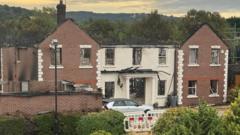
Stourbridge Fires: Residents Begin Return Home Process
Following the devastating Stourbridge fires that forced thousands from their residences, displaced families are gradually commencing their return journeys. The Stourbridge fires have prompted a phased repatriation process as authorities work to ensure safety across affected neighborhoods. Initial assessments reveal the extent of structural and personal property damage that awaits returning homeowners.
Initial Damage Assessment Reveals Significant Losses
As residents begin accessing their properties after evacuation orders were lifted, many families are confronting the reality of substantial damage for the first time. Preliminary investigations indicate widespread destruction across multiple residential areas, with some homes experiencing complete structural compromise while others sustained moderate to severe fire and smoke damage. Insurance adjusters and municipal inspectors are conducting systematic evaluations to document losses comprehensively.
Scope of Destruction Across Properties
The impact of the Stourbridge fires varies considerably from one neighborhood to another. Some families discovered their homes reduced to charred frameworks, while others encountered extensive smoke inhalation damage affecting every interior surface. Contents including furniture, personal belongings, photographs, and irreplaceable memorabilia have been lost or severely compromised. Financial assessments are ongoing as residents file insurance claims and connect with disaster relief programs.
Emergency Response and Safe Return Procedures
Local authorities have implemented structured protocols to facilitate safe returns while minimizing additional risks. Structural engineers evaluate each property before residents gain access, ensuring floors, walls, and roofing systems remain sound. Gas and electrical utilities undergo inspection before reconnection to prevent secondary incidents. These precautionary measures, while delaying full restoration of normal housing conditions, protect returning families from preventable accidents.
Timeline for Full Neighborhood Access
Officials project a gradual reinstatement schedule spanning several weeks, with critical infrastructure zones receiving priority assessment. Neighborhoods closest to the fire's origin point require extended evaluation periods due to intensified damage patterns. Residents can monitor their property access status through official local government channels and community notification systems established during the emergency response.
Support Services for Displaced Families
Recognizing that the Stourbridge fires have created substantial hardship extending beyond physical property damage, community organizations have mobilized comprehensive assistance programs. Temporary housing support continues for families unable to return to damaged residences. Mental health services address trauma associated with evacuation experiences and property loss. Financial counseling helps residents navigate insurance processes and access available government relief funds.
Community Resources and Relief Programs
Local municipalities have coordinated with Red Cross representatives, charitable organizations, and government agencies to establish resource centers. These facilities provide information about temporary accommodation options, insurance claim procedures, disaster loans, and rebuilding resources. Volunteer networks assist families sorting through recoverable items and connecting with suppliers for emergency supplies and basic necessities.
Rebuilding Challenges and Long-term Recovery
While returning home represents emotional relief for many families, the extensive Stourbridge fires aftermath creates substantial reconstruction obstacles. Building supply shortages, contractor availability constraints, and rising material costs complicate repair timelines. Some families face six to twelve month restoration periods before resuming normal occupancy. Others whose homes sustained catastrophic damage must navigate complete reconstruction from architectural planning through final completion.
Insurance and Financial Recovery Pathways
Insurance adjusters continue processing claims from thousands of affected households. However, coverage limitations and policy exclusions create financial gaps many families must address independently. Government disaster loans provide supplementary funding for uninsured or underinsured losses. Non-profit organizations offer additional grants to help households bridge funding shortfalls between insurance settlements and actual reconstruction expenses.
Community Resilience and Looking Forward
Despite the significant challenge posed by the Stourbridge fires, community members demonstrate remarkable determination to rebuild. Neighborhoods are organizing mutual support networks, sharing contractor recommendations, and coordinating group procurement efforts to optimize rebuilding efficiency and reduce individual costs. Local government initiatives focus on strengthening building codes and expanding emergency preparedness infrastructure to mitigate future wildfire risks.
As residents continue their gradual return home following the Stourbridge fires, the region faces a lengthy but essential recovery process. Each family's unique circumstances, damage severity levels, and available resources create individualized reconstruction timelines. However, collective determination and organized community response offer realistic pathways toward neighborhood restoration and renewed stability.