
Starmer Opens Up on 'Deeply Personal' Choice to Step Down as Premier
Starmer shares candid BBC interview about his intensely personal decision to resign as Prime Minister, revealing the emotional toll of ending his political care...
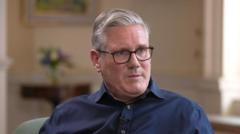
Starmer Discusses His Deeply Personal Choice to Resign
In a remarkably forthcoming conversation with the BBC, the former Prime Minister has opened up about his Starmer resignation interview and the emotional weight of stepping away from politics. The outgoing leader described the process of accepting that his time leading the nation had reached its conclusion as "incredibly challenging" and emotionally draining.
The candid remarks represent a rare moment of vulnerability from the typically composed statesman, who has largely maintained a measured public demeanor throughout his political tenure. During the Starmer resignation interview, he elaborated on the personal dimensions of his decision, revealing just how much the choice weighed upon him and his family.
The Emotional Toll of Political Leadership
When asked about the difficulty of his departure, the former PM was notably reflective. He emphasized that accepting the conclusion of his political career was "genuinely difficult," acknowledging both the professional and personal ramifications of his choice. The BBC interview provided a platform for him to articulate feelings rarely expressed in public statements or formal political discourse.
Throughout the conversation, he maintained that his decision stemmed from careful consideration rather than external pressure, framing his resignation as a measured and deliberate choice made after extensive reflection. His comments suggest that the weight of the Prime Minister decision to quit extended beyond mere political calculations.
Looking Forward After Political Service
The former leader's willingness to discuss his emotional journey stands in contrast to how such transitions are typically handled in British politics, where stoicism has traditionally been valued. By choosing to be more open about the challenges of ending his time in office, he has provided insight into the human dimensions of high-level political service.
His remarks during the BBC interview come as political observers continue to analyze the broader implications of the UK leadership transition and what it means for the future direction of the nation's governance. The candid nature of his reflections suggests he is approaching this chapter of his life with thoughtfulness and introspection.
Impact on Party and Successors
The former PM's decision to discuss his resignation in such personal terms may influence how his successors and colleagues navigate their own transitions. His acknowledgment of the emotional difficulty involved in stepping away from power provides a more human perspective on political leadership and its costs.
Meanwhile, his comments regarding other potential candidates and future party leadership have drawn additional scrutiny, with observers noting the significance of his warnings and observations about the path forward. The Prime Minister decision to quit has set in motion various developments within party politics that will continue to unfold in the coming months.
Reflection on a Political Career
Looking back on his tenure, the former leader appears to be processing his departure with a combination of acceptance and measured reflection. The Starmer resignation interview demonstrates his commitment to providing transparency about both his achievements and the challenges he faced during his time in the highest office.
His willingness to engage in such personal discussion may help shape the broader national conversation about leadership, sacrifice, and the human cost of serving in positions of enormous responsibility. The BBC interview will likely be studied by political analysts and historians as a significant moment in how a departing Prime Minister chose to address his transition from power.