
Spain's PM Holds Traffickers Responsible for 60,000 Migrant Influx
Spain's Prime Minister blames human traffickers for 60,000 migrants reaching Ceuta from Morocco. Most returned to Morocco by Friday as Italy suspends Schengen a...
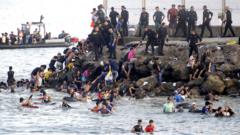
Spain's PM Holds Traffickers Responsible for Unprecedented Migrant Influx
Following an unprecedented wave of individuals attempting to enter Spanish territory, Spain's Prime Minister has directed responsibility toward criminal trafficking networks for orchestrating the movement of 60,000 migrants reaching Ceuta from Morocco. This remarkable incident represents one of the most significant migration challenges the autonomous city has faced in recent years, drawing immediate international attention and diplomatic responses.
Swift Return to Morocco and De-escalation Efforts
According to official statements from Spanish authorities, the majority of those who had illegally crossed into Ceuta had returned to Moroccan territory by Friday evening. This rapid reversal of the migrant surge demonstrated the temporary nature of the mass crossing, though it raised critical questions about coordination between Madrid and Rabat regarding border security protocols. The swift resolution reflected coordinated efforts to manage one of the region's most serious humanitarian and security challenges in recent memory.
Italy's Schengen Suspension: A Continental Response
The incident prompted an immediate and significant response from Italy, which announced the suspension of its Schengen agreement on free movement with Madrid. This decision underscored mounting tensions within European Union border management policies and reflected growing concerns among member states regarding irregular migration patterns. Italy's action represented a dramatic shift in diplomatic relations, signaling that European nations are increasingly willing to invoke extraordinary measures when facing what they perceive as inadequate migration control.
Understanding the Schengen Suspension Impact
The suspension of Schengen protocols between Italy and Spain carries profound implications for bilateral relations and broader European integration. The Schengen area, which guarantees free movement among participating nations, stands as one of the European Union's most celebrated achievements. By suspending this agreement, Italy demonstrated that member states retain the authority to invoke emergency measures when they believe their territory faces overwhelming pressure from irregular migration flows.
Trafficking Networks and Border Security Concerns
Spain's Prime Minister emphasized that criminal trafficking organizations deliberately orchestrated this mass movement, deliberately exploiting vulnerabilities in border security infrastructure. Such organized networks profit enormously from facilitating illegal crossings, often placing migrants in perilous situations with minimal regard for their safety or wellbeing. The identification of trafficking operations as primary culprits shifts focus toward dismantling criminal enterprises rather than solely addressing migration pressures or humanitarian concerns.
Regional and International Implications
The incident affecting migrants reaching Ceuta from Morocco highlights persistent challenges within the Western Mediterranean migration corridor. Both Spain and Morocco have historically collaborated on border management, yet organized criminal enterprises continue finding methods to circumvent these cooperative arrangements. The sudden influx created tensions not only between Spain and Morocco but also reverberated throughout the European Union, forcing member states to reassess their unified migration policies.
Looking Forward: Border Management and European Unity
As diplomatic channels work toward resolution, European officials must balance humanitarian obligations with legitimate security concerns. The suspension of free movement protocols, though temporary in nature, demonstrates how migration crises can rapidly undermine the foundational pillars of European integration. Future cooperation will require enhanced intelligence sharing, improved coordination between Mediterranean nations, and strengthened enforcement against trafficking networks that profit from human desperation.