
Severe Thunderstorms Cause Flight Disruptions
Over 900 flights delayed at Heathrow and Gatwick airports due to thunderstorms affecting southern UK. Passengers face significant travel delays.
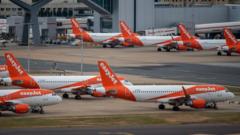
Flight Delays Thunderstorms Impact Major UK Airports
Flight delays thunderstorms have created significant disruption across the United Kingdom's busiest aviation hubs this week. More than 900 aircraft movements have been affected at Heathrow and Gatwick airports, with meteorological conditions proving to be the primary cause of widespread operational challenges. The severe weather system developing south of British airspace has forced airlines to implement extensive schedule modifications and passenger rerouting measures.
Scale of the Disruption
The magnitude of delays demonstrates the vulnerability of major transportation infrastructure to adverse weather patterns. Flight operations at both facilities experienced cascading delays throughout the affected period, with incoming and outgoing services bearing the brunt of the meteorological interference. Airport authorities worked collaboratively with airline operators to manage the unprecedented volume of schedule adjustments.
Heathrow Airport Impact
As Europe's busiest airport, Heathrow's operational capacity proved particularly susceptible to the thunderstorm system. The volume of international and domestic routes served by the facility meant that delays at this location generated ripple effects across European aviation networks. Ground handling teams and air traffic controllers implemented enhanced safety protocols to manage the challenging conditions.
Gatwick Airport Affected Services
Gatwick, serving as London's secondary major international gateway, similarly experienced substantial flight delays. The airport's role as a key connecting hub for regional and international passengers meant significant numbers of travelers faced extended wait times and uncertain departure schedules throughout the disruption period.
Weather Conditions Driving Delays
Meteorologists identified a powerful thunderstorm system positioned south of the United Kingdom as the primary meteorological threat. The storm's trajectory and intensity created hazardous conditions for flight operations, necessitating increased spacing between aircraft movements and extended holding patterns for inbound flights. Safety protocols required aircraft to maintain heightened separation standards during the adverse weather event.
Passenger and Operational Response
Airlines implemented comprehensive passenger communication strategies to manage traveler expectations during the disruption. Customer service teams worked extended hours to assist affected passengers with rebooking options, accommodation arrangements, and compensation inquiries. The scale of disruption required coordinated efforts across multiple carriers and airport operators.
Looking Forward
The incident underscores the importance of weather resilience planning within aviation operations. Airport authorities continue to enhance forecasting systems and operational flexibility to better accommodate severe weather events. This event serves as a reminder of how natural meteorological phenomena can impact even the most sophisticated transportation networks and the critical importance of passenger communication during disruptions.