
Severe Drought Decimates Apple Yields for Cider Production
Devastating drought conditions slash apple harvests to just 10% of normal yields, threatening the future of cider production across major orchards.
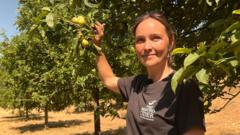
Drought Leaves Orchards With Critically Low Apple Harvests
A severe drought has created an unprecedented crisis for cider producers, with many orchards reporting that drought affects apple harvest at alarming levels. The situation has become so dire that some operations are managing to collect merely a tenth of their standard annual production, raising serious concerns about the viability of the cider industry and the livelihoods of farmers who depend on these crops.
Dramatic Reduction in Orchard Production
The impact of this drought affects apple harvest figures across multiple growing regions. Orchards that traditionally yield substantial quantities of apples suitable for cider fermentation are now facing a stark reality. What would normally represent thousands of bushels is now measured in hundreds, fundamentally altering production schedules and threatening contracts with distributors and retailers who depend on consistent supply chains.
Cascading Effects on Cider Production
The decline in fruit availability has created immediate challenges for cider makers. These producers rely on specific apple varieties that require years to establish and mature. The orchard crop failure this season means not only reduced bottling capacity but also questions about whether future harvests will recover to previous levels. Distilleries and craft cideries are having to make difficult decisions about production schedules and inventory management.
Environmental Factors Behind the Crisis
Extended dry periods have stressed fruit trees throughout major apple-growing regions. Insufficient water during critical growth phases prevented adequate fruit development. Young fruits dropped from branches prematurely, and trees that did produce yielded smaller, fewer apples than expected. This agricultural drought impact extends beyond simple water shortage—it affects soil quality, nutrient absorption, and overall tree health.
Long-Term Implications for Apple Yields
Industry experts warn that the damage may extend beyond this single season. Trees stressed by severe drought conditions often struggle to recover fully, potentially affecting yields for multiple years. An apple yield decline of this magnitude forces growers to contemplate replanting strategies and whether current operations remain economically sustainable under such climate stress.
Industry Response and Uncertainty
Cider producers are reassessing their business models as they confront this agricultural drought impact head-on. Some facilities are exploring alternative fruit sources, importing concentrated juices, or adjusting production volumes. However, traditional cider production depends on specific regional apples and heritage varieties that cannot be easily replaced.
The uncertain future facing orchards extends to employment as well. Seasonal workers and permanent staff may see reduced hours or layoffs if operations cannot maintain historical production levels. Communities built around apple growing are watching anxiously to see whether current drought conditions represent a temporary setback or the beginning of a new normal for agriculture in these regions.
Recovery Prospects and Next Steps
Farmers are implementing emergency measures including irrigation system improvements and soil conservation techniques to prepare for future seasons. However, many acknowledge that recovery will be slow. The orchard crop failure of this year serves as a sobering reminder of agriculture's vulnerability to climate variability.
Looking ahead, industry participants are calling for research into drought-resistant apple varieties and sustainable farming practices. The cider production crisis has united growers, producers, and retailers in seeking solutions that can protect the industry while adapting to environmental realities. Until meaningful precipitation returns and growing conditions normalize, orchards will continue operating far below their traditional capacity, with uncertain prospects for when the situation might improve.