
Sainsbury's Completes £120m Sale of Argos Retail Chain
Sainsbury's sells Argos for £120m in major retail transaction. Argos continues operations in stores with Nectar points and Habitat products integration.
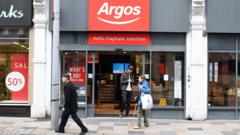
Sainsbury's Completes Major Argos Divestment
The Sainsbury's Argos sale represents a significant strategic shift in the British retail landscape, as the supermarket giant proceeds with the £120 million divestment of its catalogue retailer subsidiary. This major transaction marks a pivotal moment for both companies and reshapes the operational structure of one of the UK's largest grocery and retail conglomerates.
Key Terms of the Transaction
The Sainsbury's Argos deal has been structured to maintain operational continuity and customer value throughout the transition. Despite the change in ownership, Argos will continue to maintain its physical presence within Sainsbury's store locations across the country, ensuring seamless customer access to the retailer's extensive product range.
Continued Store Integration
One of the most significant aspects of this arrangement involves the ongoing presence of Argos outlets within existing Sainsbury's locations. This strategic positioning allows both brands to leverage their complementary customer bases and maintain the convenience that shoppers have come to expect from this integrated retail model. The co-location strategy demonstrates a commitment to preserving the customer experience during the ownership transition.
Habitat Product Lines Maintained
The acquisition terms explicitly preserve Sainsbury's Argos commitment to offering Habitat home furnishing and design products. This product line, which has been integral to Argos's brand identity and market positioning, will continue to be available through existing sales channels. The maintenance of this premium home goods collection ensures continuity for customers who rely on Argos for their interior design and furnishing needs.
Loyalty Programme Integration
A crucial element of the transaction framework involves the continued integration of the Nectar loyalty programme with Argos operations. Customers shopping at Argos will continue earning and redeeming Nectar points, preserving the rewards benefits that have driven customer loyalty and repeat purchases. This seamless integration of loyalty benefits demonstrates how the transaction maintains customer value propositions across both retail channels.
Strategic Implications for UK Retail
The Sainsbury's Argos sale reflects broader trends in modern retail consolidation and operational restructuring. By divesting Argos while maintaining operational integration, Sainsbury's addresses shareholder demands for capital allocation while protecting valuable customer touchpoints. This balanced approach allows the company to unlock value from non-core assets while preserving strategic retail partnerships.
The transaction highlights the evolving nature of British retail, where pure-play catalogue retail has transformed into an omnichannel proposition fully integrated with supermarket operations. The success of maintaining Argos stores within Sainsbury's locations demonstrates the enduring appeal of this hybrid model in meeting diverse customer shopping preferences.
Market Context and Industry Outlook
This Sainsbury's Argos transaction occurs within a rapidly evolving UK retail environment, where traditional department store and catalogue retailers face unprecedented challenges from e-commerce and changing consumer shopping habits. The decision to restructure rather than divest completely reflects pragmatic recognition of Argos's continued relevance as a multi-channel retailer when properly integrated with grocery operations.
The £120 million valuation represents a disciplined approach to capital allocation, enabling Sainsbury's to strengthen its balance sheet while preserving the operational benefits of cross-channel retail integration. The continued operation of Argos within Sainsbury's locations, combined with maintained loyalty programme benefits and product assortment, positions both brands for sustained competitiveness in the contemporary retail marketplace.