
Russia's Cash Surge Deepens Economic Strain Amid Ongoing Ukrainian Conflict
Russia turns to cash transactions amid internet shutdowns and tax evasion concerns. Discover how four years of war strain the economy and alter consumer behavio...
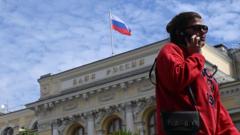
Russia's Growing Reliance on Cash Transactions
Russia's cash economy has experienced significant expansion as the nation grapples with prolonged military operations in Ukraine. The shift toward physical currency represents a fundamental transformation in consumer spending patterns and commercial practices across the country. Russia's cash surge reflects broader economic pressures and structural challenges that have accumulated throughout the extended conflict.
This transition away from digital payment systems marks a notable departure from Russia's pre-war trajectory toward cashless transactions. Financial analysts attribute this reversal to multiple interconnected factors, including widespread digital infrastructure disruptions and growing distrust of electronic financial systems.
Impact of Mobile Internet Disruptions
Widespread mobile internet shutdowns have fundamentally altered how Russian citizens conduct daily financial transactions. These connectivity interruptions have forced businesses and consumers to rely on traditional payment methods, effectively accelerating the nation's retreat from digital financial infrastructure.
The disruptions stem from both infrastructure damage and deliberate policy decisions implemented throughout the conflict. Areas experiencing unstable internet connectivity have witnessed the fastest adoption of cash-based commerce, as merchants and service providers lack reliable alternatives for processing digital payments.
Tax Evasion and Underground Economic Growth
An increasing number of Russian businesses have adopted cash-based operations to circumvent tax obligations and regulatory scrutiny. This deliberate shift toward informal economy mechanisms represents a significant challenge for government revenue collection and economic oversight.
Small and medium-sized enterprises have particularly embraced cash transactions as a strategy to reduce their tax burden. The practice has created parallel economic channels that operate outside official statistical measures and governmental control, complicating accurate assessments of Russia's actual economic performance.
Factors Driving Underground Economy Expansion
Multiple pressures have incentivized businesses to shift away from formal financial channels. Increased taxation rates imposed to fund military operations, combined with regulatory complexity and compliance costs, have made informal cash transactions increasingly attractive to business owners seeking to preserve operational margins.
Consumer participation in cash-based transactions has also increased voluntarily, as households seek to maintain financial privacy and protect savings from potential government confiscation or further taxation measures.
Broader Economic Consequences
The expansion of Russia's cash economy presents significant complications for macroeconomic management and policy implementation. Central bank officials struggle to obtain accurate monetary supply figures and inflation measurements when substantial transaction volumes occur outside formal financial tracking systems.
This fragmentation of economic data undermines the government's capacity to implement effective monetary and fiscal policies. The resulting informational asymmetry creates additional obstacles for stabilizing the wartime economy and planning long-term recovery strategies.
Structural Vulnerabilities and Long-Term Implications
Russia's cash economy expansion exposes critical vulnerabilities in the nation's financial infrastructure and institutional frameworks. The deterioration of digital payment infrastructure and government revenue collection mechanisms threatens economic stability beyond the immediate conflict period.
Export restrictions and international sanctions have already constrained access to advanced financial technology and payment processing systems. The additional stress created by widespread cash economy growth compounds these external constraints and reduces Russia's adaptive capacity.
Economic experts project that recovery toward formal financial systems will require substantial institutional rebuilding once the military conflict concludes. The structural damage to payment infrastructure and erosion of trust in digital financial mechanisms may persist for years following any eventual resolution of hostilities.
Conclusion: Wartime Economic Adaptation
Russia's cash economy surge represents both an immediate adaptation to present conflict conditions and a potential source of long-term economic disadvantage. The shift toward informal financial channels provides short-term relief for businesses and households navigating wartime pressures, yet simultaneously undermines the institutional foundations necessary for sustainable economic development.