
Rotterdam Port Faces Legal Push to Accelerate Green Energy Transition
Environmental lawsuit pressures Europe's largest port to accelerate decarbonization efforts and reduce fossil fuel dependency. Learn about Rotterdam's sustainab...
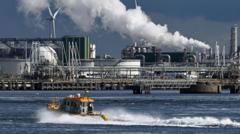
Legal Action Drives Rotterdam Port Toward Environmental Goals
Environmental activists have initiated formal legal proceedings targeting the Port of Rotterdam, Europe's largest shipping hub, demanding accelerated measures to achieve a Rotterdam Port green transition. The lawsuit represents a significant escalation in pressure on the container facility to fundamentally reshape its operational practices and reduce reliance on carbon-intensive energy sources.
The Core Arguments of the Environmental Challenge
The legal complaint centers on the port authority's current pace of decarbonization efforts, arguing that existing timelines fall short of what environmental science demands. Plaintiffs contend that the Port of Rotterdam must implement substantially faster strategies to eliminate fossil fuel connections and transition toward renewable energy infrastructure. This lawsuit marks a critical moment in the broader European shipping industry's environmental reckoning.
Why This Case Matters for European Ports
Rotterdam's position as the continent's gateway for global commerce makes it uniquely influential in shaping maritime sustainability standards. The port handles millions of containers annually, representing a substantial portion of Europe's international trade. Consequently, any meaningful transformation at Rotterdam Port green transition initiatives would establish precedents affecting competing facilities across the region and internationally.
Current Environmental Challenges at Europe's Largest Port
The Port of Rotterdam currently operates within an energy ecosystem heavily dependent on fossil fuels. Industrial processing, vessel operations, cargo handling equipment, and transportation networks connected to the facility collectively generate significant carbon emissions. Despite some sustainability initiatives introduced in recent years, environmental advocates argue progress remains insufficient relative to climate urgency.
Fossil Fuel Infrastructure Dependencies
The port's substantial fossil fuel reduction challenge stems from deeply embedded operational systems. Ships utilizing conventional bunker fuels, diesel-powered cargo equipment, and natural gas infrastructure represent enormous capital investments difficult to rapidly replace. Nevertheless, the lawsuit maintains that financial constraints cannot justify continued reliance on carbon-intensive technologies.
Port Authority's Response and Current Initiatives
Rotterdam's management has implemented various sustainability measures, including electricity connections for docked vessels, renewable energy projects, and efficiency improvements across terminal operations. However, environmental organizations contend these efforts represent merely incremental progress rather than the transformational change the climate crisis demands. The Port of Rotterdam green transition must accelerate significantly to satisfy emerging legal and regulatory pressures.
Existing Sustainability Programs
The port authority has invested in shore power infrastructure allowing visiting ships to disconnect from onboard engines while berthed. Additionally, renewable energy installations and efficiency upgrades have reduced the facility's direct carbon footprint. These initiatives demonstrate acknowledgment of environmental responsibilities yet remain inadequate according to lawsuit allegations.
Broader European Maritime Sustainability Movements
This legal action reflects widening environmental consciousness throughout European shipping sectors. Regulatory bodies increasingly impose stricter emissions standards, while environmental organizations pursue litigation to accelerate decarbonization timelines. The Port of Rotterdam green transition represents a crucial test case for whether traditional port infrastructure can adapt sufficiently to meet climate objectives.
International Shipping Regulations
The International Maritime Organization has established emissions reduction targets requiring substantial progress across the shipping sector. European Union regulations increasingly mandate cleaner vessel operations and port-side practices. These regulatory frameworks create additional pressure alongside the Rotterdam lawsuit, compelling ports to demonstrate meaningful environmental commitment.
Economic and Operational Implications of Green Transformation
Accelerating Rotterdam Port green transition initiatives carries substantial economic considerations. Infrastructure investments required for hydrogen refueling facilities, electric cargo equipment, and renewable energy integration represent significant capital expenditures. Port operators must balance environmental urgency against financial realities and competitive positioning relative to other European facilities.
Investment Requirements and Funding Challenges
Transitioning to green operations demands billions in infrastructure investment. Renewable energy systems, electric vessel charging stations, and zero-emission cargo handling equipment require substantial upfront costs. The Port of Rotterdam must develop innovative financing mechanisms, potentially including government support and public-private partnerships, to fund necessary transformations.
What the Lawsuit Outcome Could Mean for Global Ports
Regardless of legal results, this case signals shifting expectations for port environmental performance. Environmental organizations globally are examining similar litigation strategies targeting major shipping hubs. If the Rotterdam Port green transition lawsuit succeeds, it could establish important precedents encouraging comparable transformations worldwide.
The Port of Rotterdam, as Europe's dominant container facility, stands at an intersection of commercial necessity and environmental responsibility. The forthcoming legal proceedings will likely influence maritime sustainability trajectories throughout the continent and beyond, potentially reshaping how international shipping infrastructure approaches decarbonization challenges.