
Romania's Only Nuclear Facility Closes Due to Danube Water Crisis
Romania shuts its sole nuclear plant as extreme heat drastically lowers Danube River water levels, affecting power generation and energy supply.
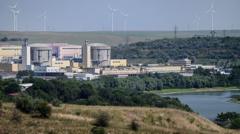
Romania's Only Nuclear Plant Forced to Shut Down
Romania's only nuclear plant has been forced to cease operations as extreme heat conditions have caused a significant decline in the Danube River's water level. The Cernavodă nuclear facility, a critical infrastructure asset for the nation's energy infrastructure, is not anticipated to resume generation within the next ten days, marking a substantial disruption to the country's power supply chain.
The Cernavodă plant stands as a vital component of Romania's electricity production infrastructure, accounting for approximately 20% of the nation's total electrical power generation. This substantial contribution underscores the critical nature of the facility's temporary shutdown and its potential consequences for the broader energy sector.
Impact of Heat Wave on Water Resources
The closure of Romania's nuclear plant stems directly from the severe heat wave affecting Central and Eastern Europe, which has dramatically reduced water availability in the Danube River. Nuclear power plants require substantial quantities of water for cooling purposes, and insufficient water levels make continued operation technically unfeasible and potentially unsafe.
The drop in Danube River water levels represents an environmental challenge that extends beyond the immediate nuclear facility closure. Water scarcity in one of Europe's most important rivers has implications for navigation, agriculture, and multiple industrial sectors dependent on adequate water supply.
Energy Supply Concerns
With the Cernavodă nuclear plant offline, Romania faces considerable pressure on its alternative energy sources to compensate for the lost generating capacity. The 20% energy shortfall created by the facility's shutdown necessitates increased reliance on natural gas, hydroelectric, wind, and coal-powered generation to meet domestic demand.
The timing of this shutdown coincides with elevated summer energy consumption, when cooling demands peak across residential and commercial sectors. This convergence of factors creates a challenging situation for grid operators tasked with maintaining stable electricity supply throughout the affected period.
Timeline for Plant Restart
Current projections indicate that operational conditions at the Danube River will not improve sufficiently to permit Cernavodă's restart for at least ten days. However, this timeline remains contingent upon weather patterns and precipitation levels in the coming period. Extended heat conditions could prolong the shutdown indefinitely, creating additional strain on Romania's energy infrastructure.
Plant operators are continuously monitoring water levels and temperature conditions to determine the precise moment when safe operational parameters can be restored. The restart process itself requires additional time for system checks and verification procedures to ensure equipment functionality after the extended shutdown period.
Broader Regional Energy Challenges
This incident highlights vulnerabilities in European energy systems during extreme weather events. Climate change has intensified the frequency and severity of heat waves, creating periodic challenges for water-dependent power generation facilities across the continent. Other nuclear facilities in Europe have experienced similar operational constraints during drought conditions in recent years.
Romania's situation underscores the critical importance of developing diversified energy portfolios that can weather environmental disruptions while maintaining reliable electricity supplies to consumers and industries throughout the country.