
RFK Jr Urges US Parents to Vaccinate Against Measles Outbreak
Health Secretary Robert F Kennedy Jr recommends measles vaccination as infections hit 35-year high. Read his stance on the MMR vaccine controversy.
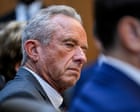
Health Secretary Reverses Position on Measles Vaccination
Robert F Kennedy Jr, serving as the United States health secretary, made a significant public statement on Sunday urging American families to ensure their children receive measles vaccination. The measles vaccination recommendation came as the country faces an unprecedented surge in infection cases, with numbers reaching levels not documented in the past three and a half decades.
The measles vaccination push by Kennedy represents a notable shift in messaging from his previous public positions. During his interview on CNN's State of the Union program Sunday morning, Kennedy acknowledged the importance of protecting children against the disease while addressing ongoing concerns about vaccine safety and efficacy.
Background of Kennedy's Vaccination Skepticism
Kennedy's prominent role in the health department is noteworthy given his extensive history as a vocal critic of vaccination programs. Over many years, he has been among the most recognizable public figures promoting vaccine hesitancy and spreading claims questioning the safety profile of multiple vaccines. His particular focus included the MMR vaccine, which protects against measles, mumps, and rubella—three potentially serious infectious diseases.
Prior to his appointment as health secretary, Kennedy authored materials and gave speeches that amplified doubts about vaccine development, distribution, and the scientific consensus supporting immunization programs. These actions contributed to declining vaccination rates in certain communities across the United States, creating public health vulnerabilities.
The Current Measles Crisis
The resurgence of measles infections reflects the concerning trend of decreasing vaccination coverage in American communities. Health officials attribute the outbreak to vaccine hesitancy fueled partly by misinformation campaigns. Measles remains a serious infectious disease capable of causing severe complications, particularly in young children, pregnant women, and immunocompromised individuals.
The surge represents the highest infection count since the late 1980s, triggering alarm among public health professionals and infectious disease specialists nationwide. State health departments have mobilized resources to identify cases, trace contacts, and encourage vaccination among vulnerable populations.
Kennedy's CNN Interview and Public Messaging
The health secretary's appearance on the major news network sparked significant attention and debate. During the contentious interview, Kennedy discussed the measles vaccination issue while fielding questions from journalists about his previous statements questioning vaccine safety and necessity. His recommendation that parents pursue measles vaccination for their children represented a departure from some of his earlier public commentary.
The interview highlighted the tension between Kennedy's historical skepticism toward vaccination initiatives and his current official capacity overseeing the nation's health policies. Critics pointed out the contradiction, while supporters interpreted his measles vaccination recommendation as evidence of his willingness to follow scientific evidence regarding serious public health threats.
Public Health Response to the Outbreak
Government health agencies have intensified efforts to increase measles vaccination rates in response to the outbreak. Public health officials emphasize that the MMR vaccine remains highly effective at preventing measles infection and its complications. They recommend that children receive two doses of the vaccine as part of standard immunization schedules.
Vaccination clinics across the country have reported increased demand for measles immunizations following the health secretary's public statements. Healthcare providers have noted that parents previously hesitant about vaccines have sought information about measles vaccination for their families. Public health campaigns have distributed educational materials explaining the safety profile and effectiveness of the MMR vaccine.
Expert Perspectives on Vaccination Advocacy
Medical professionals and public health experts have responded to Kennedy's measles vaccination recommendation with cautious acknowledgment. While welcoming the official endorsement of vaccination, many expressed concerns about the potential long-term impact of his previous anti-vaccine advocacy on public trust in health institutions.
The American Academy of Pediatrics and other medical organizations have reinforced Kennedy's statement regarding measles vaccination, providing clinical evidence supporting immunization. They emphasize that the benefits of measles vaccination substantially outweigh potential risks, and that vaccination represents the safest approach to protecting children from this contagious disease.
The situation underscores the importance of consistent, evidence-based health messaging from government officials. Public health experts stress that clear communication about vaccine safety and efficacy is essential for maintaining vaccination rates and preventing future disease outbreaks.