
Revolutionary Microscope Technology Offers Hope for Incurable Bowel Disease
Cutting-edge microscope technology with 10x resolution aims to unlock breakthrough treatments for inflammatory bowel disease affecting millions worldwide.
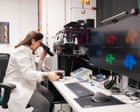
Advanced Microscopy Opens New Possibilities for Inflammatory Bowel Disease
Scientists are turning to groundbreaking microscopy technology in their quest to understand and combat inflammatory bowel disease, a condition that affects hundreds of thousands of people globally. This innovative approach represents a significant milestone in medical research, offering potential pathways toward treatments for conditions that have remained largely incurable despite decades of clinical efforts.
The rising prevalence of inflammatory bowel disease among younger populations has intensified the urgency for researchers to develop novel diagnostic and therapeutic strategies. With prevalence rates continuing to climb, the medical community recognizes the critical need for technological innovations that can penetrate the mysteries surrounding these debilitating gastrointestinal conditions.
Introducing 'Curie': A Game-Changing Instrument
At the forefront of this research initiative stands 'Curie', an extraordinary microscope system engineered to deliver unprecedented visualization capabilities. Unlike conventional microscopy equipment that scientists have relied upon for generations, Curie operates at a resolution level that is approximately ten times superior to standard technology. This exponential increase in optical clarity enables researchers to observe cellular and molecular structures previously invisible to scientific investigation.
The technical specifications of this advanced instrument position it as a unique asset within the global research community. Few laboratories worldwide possess access to microscopy systems capable of achieving such magnification and detail, making this technology exceptionally valuable for breakthrough discoveries in gastrointestinal research.
Scope of Inflammatory Bowel Disease in the United Kingdom
Data compiled by the British Society of Gastroenterology paints a concerning picture regarding inflammatory bowel disease prevalence within the UK. More than half a million individuals across the country are currently living with IBD, representing a substantial patient population struggling with chronic symptoms and limited treatment options. Among these cases, two primary forms dominate the diagnostic landscape: Crohn's disease and ulcerative colitis.
Crohn's disease characteristically affects any portion of the digestive tract from mouth to anus, frequently causing severe inflammation, pain, and complications. Ulcerative colitis, conversely, concentrates its inflammatory effects on the colon and rectum, producing similar debilitating symptoms. Both conditions significantly impact quality of life, requiring ongoing medical management and frequent hospitalizations.
Global Expansion of Inflammatory Bowel Disease Cases
Beyond the United Kingdom's borders, the epidemiological trends surrounding inflammatory bowel disease paint an increasingly troubling picture. Young adults and adolescents represent a demographic experiencing accelerating rates of IBD diagnosis across multiple continents. This expansion among younger populations suggests that the disease burden will intensify in coming decades as these cohorts navigate their productive years with chronic illness.
The worldwide growth trajectory of inflammatory bowel disease underscores the urgent necessity for innovative research approaches and therapeutic breakthroughs that can address underlying disease mechanisms rather than merely managing symptoms.
How Advanced Microscopy Facilitates Discovery
The ten-fold enhancement in microscopic resolution provided by Curie technology fundamentally transforms what researchers can observe within tissue samples and cellular environments. This capability allows scientists to examine the intricate biological processes occurring at disease sites with previously unattainable clarity. Understanding the root mechanisms of inflammatory bowel disease requires visualization at scales where cellular dysfunction becomes apparent.
Enhanced microscopy potentially reveals structural abnormalities in the intestinal barrier, immune system cell interactions, and bacterial colonization patterns that contribute to disease pathogenesis. By illuminating these fundamental biological processes, researchers gain crucial insights that inform the development of targeted therapeutic interventions.
Pathway to Novel Treatment Strategies
The ultimate objective of employing advanced microscope technology in inflammatory bowel disease research is catalyzing the development of entirely new treatment approaches. Current therapeutic options often suppress immune system function broadly rather than addressing specific disease mechanisms. Microscopic examination of disease tissues using Curie technology may identify novel drug targets or pathways previously unknown to medical science.
Such discoveries could revolutionize treatment paradigms for Crohn's disease and ulcerative colitis, potentially converting these currently incurable conditions into manageable or preventable diseases. Researchers worldwide view this microscopy initiative with considerable optimism, recognizing its potential to accelerate the timeline toward meaningful therapeutic breakthroughs.
Significance for Patients and Healthcare Systems
For the millions of individuals worldwide suffering from inflammatory bowel disease, advances in research technology translate directly into hope for improved quality of life. Current treatment options, while helpful for some patients, frequently fail to achieve complete disease remission and often produce significant side effects. Novel therapies emerging from advanced research could offer superior efficacy with reduced adverse effects.
Healthcare systems managing IBD also stand to benefit substantially from treatment innovations. Reduced hospitalization rates, decreased medication costs, and improved patient outcomes would significantly diminish the economic burden that inflammatory bowel disease imposes on public health infrastructure globally.