
Reading Festival Seeks Permit for Fourth Day Main Stage Programming
Reading Festival applies for fourth day main stage music event. Discover how Wednesdays and Thursdays could become premier programming days alongside the tradit...
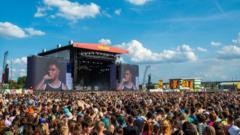
Reading Festival Applies for Fourth Day Main Stage Music Expansion
The Reading Festival has officially submitted an application to expand its main stage programming to include a fourth day, fundamentally transforming how the renowned Reading Festival fourth day main stage event operates. This significant proposal marks a strategic shift in how the festival structures its musical offerings and weekend-long celebrations.
Current Festival Structure and Warm-Up Days
Traditionally, Wednesdays and Thursdays have functioned as warm-up days that precede the primary Reading Festival weekend. These preliminary evenings have historically served as preparation periods for the massive crowds and elaborate stage productions that define the festival's core experience. Artists performing during these midweek slots have typically represented emerging talent or secondary acts in the overall festival lineup.
Understanding the Proposed Fourth Day Main Stage Initiative
The expansion proposal for Reading Festival fourth day main stage entertainment suggests a fundamental reimagining of these midweek days. Rather than maintaining their traditional warm-up status, the application seeks to elevate Wednesday or Thursday programming to main stage caliber. This transformation would mean headline-quality artists, premium sound and lighting systems, and full-scale production capabilities during what has historically been considered the festival's preliminary phase.
Strategic Implications for the Festival
By extending main stage programming to a fourth day, Reading Festival could significantly expand its artist roster and revenue potential. The move reflects broader trends within the UK festival circuit, where extended operating periods and multi-day programming have become increasingly competitive advantages. Major festivals continuously seek ways to accommodate more high-profile performers while maximizing venue utilization and attendance capacity.
Logistics and Operational Considerations
Converting midweek days into equivalent main stage programming days presents complex logistical challenges. The Reading Festival fourth day main stage would require comprehensive infrastructure adjustments, including expanded security protocols, enhanced transportation systems, and amplified vendor services. Additionally, local authorities must assess environmental impact, noise regulations, and community disruption across an extended festival period.
Regulatory and Community Perspectives
Local planning authorities will carefully evaluate the application based on established licensing requirements and community feedback. Previous festival expansions have generated discussions regarding traffic management, neighborhood noise exposure, and municipal resource allocation. The proposal's success will depend on demonstrating effective mitigation strategies and commitment to responsible event management throughout the extended schedule.
Industry Precedent and Market Position
Several major UK festivals have successfully implemented extended programming periods. Glastonbury, Download Festival, and other prominent events have demonstrated that expanded schedules can enhance artistic diversity while maintaining festival quality. Reading Festival's application positions it to remain competitive within an increasingly demanding festival marketplace where extended programming has become expected.
Artist Booking and Entertainment Strategy
The Reading Festival fourth day main stage expansion could revolutionize artist booking strategies. Currently, performers must carefully schedule appearances to accommodate Friday through Sunday programming windows. Additional main stage capacity could attract international headliners and premium domestic acts otherwise committed to competing festivals. This competitive advantage could substantially elevate the festival's prestige and attendance figures.
Financial and Economic Impact
From an economic perspective, a fourth day main stage presents considerable opportunities for stakeholder revenue growth. Ticket sales would increase across expanded capacity, vendor opportunities would multiply, and hospitality services could extend operations. However, operational costs would simultaneously increase, requiring careful financial analysis to ensure profitability and sustainability.
Next Steps and Timeline
The application process typically involves detailed regulatory review, environmental assessments, and public consultation periods. Local authorities will weigh community input alongside economic considerations before determining approval. If granted, implementation could potentially occur within the next festival season, though regulatory timelines remain uncertain. Reading Festival has not disclosed specific operational details regarding which midweek evening might transition to main stage status or how expanded programming might affect overall festival duration and structure.