
Professor Arday's Death Raises Critical Race Debates in UK Universities
The sudden death of Professor Arday sparks urgent discussions about racial diversity in UK academia, where just 1% of professors are black. Analysis of systemic...
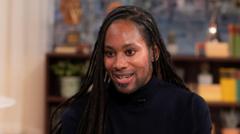
A Devastating Loss for Diversity Advocacy
The unexpected passing of Professor Arday has sent reverberations through UK academic institutions, reigniting essential conversations about racial representation and systemic inequalities within higher education. His remarkable journey through academia becomes even more significant when considering the stark reality that Professor Arday's experience reflected an alarming statistic: merely 1% of professors at British universities identify as black. This sobering figure underscores the profound challenges facing minority academics navigating predominantly white institutional structures.
Understanding the Scale of Underrepresentation
The presence of black scholars in senior academic positions across UK universities remains dismally low. When Professor Arday ascended to his professorial role, he joined an extraordinarily small and exceptionally conspicuous cohort within the broader academic community. This exceptional visibility, while acknowledging his intellectual contributions, also highlighted the persistent absence of colleagues from similar ethnic backgrounds within the professoriate. The 1% representation threshold reveals systemic barriers that extend far beyond individual achievement or merit, pointing instead toward structural obstacles embedded within institutional culture and recruitment practices.
The Impact on Academic Discourse
Professor Arday's scholarly work and presence contributed significantly to discussions surrounding race, identity, and belonging within higher education environments. His loss removes a vital voice advocating for institutional accountability and meaningful change. The academic community now faces questions about how institutions will continue progressing toward genuine diversity and inclusion without the leadership of such committed scholars. His contributions to critical race studies and educational equity represented rare perspectives within predominantly white academic spaces.
Institutional Responses and Future Directions
Universities across the United Kingdom must confront uncomfortable truths about their recruitment, retention, and advancement practices for academics of color. The tragedy of losing Professor Arday amplifies calls for substantive reforms rather than superficial diversity initiatives. Institutions need comprehensive strategies addressing unconscious bias, creating mentorship networks, establishing fair promotion pathways, and fostering genuinely inclusive workplace cultures. Without deliberate intervention, representation statistics will remain stagnant, and talented scholars from underrepresented backgrounds will continue facing unnecessary obstacles.
A Moment for Reflection and Action
As the academic sector processes grief surrounding Professor Arday's death, genuine reflection must accompany performative acknowledgment. The divisions within academia regarding race, equity, and institutional responsibility have become impossible to ignore. His legacy challenges universities to move beyond tokenistic appointments toward structural transformation that creates sustainable pathways for black academics and other underrepresented groups to thrive within higher education settings.