
Portable Air Conditioners That Cool in 90 Seconds? ASA Warns of False Advertising
ASA cracks down on misleading portable air conditioner ads claiming rapid cooling. Discover why these viral devices are too good to be true and what consumers s...
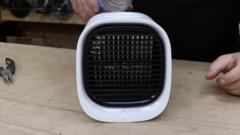
Portable Air Conditioners and the 90-Second Cooling Promise
The Advertising Standards Authority (ASA) has launched a formal investigation into misleading portable air conditioner advertisements circulating across digital platforms. These promotional campaigns claim that compact cooling devices can rapidly cool entire rooms in approximately 90 seconds, a promise that has proven to be fundamentally false. The regulatory body's findings underscore growing concerns about portable air conditioners being marketed with exaggerated performance specifications to unsuspecting consumers.
What the ASA Investigation Revealed
According to the ASA's comprehensive review, multiple advertisers have violated consumer protection guidelines by making unsubstantiated claims about their portable air conditioning products. The authority determined that these portable air conditioners cannot physically achieve the rapid temperature reduction promised in marketing materials. Small personal cooling devices, regardless of their design or technology, cannot cool an entire room in 90 seconds due to basic thermodynamic principles and their limited cooling capacity.
The investigation identified a systematic pattern of deceptive marketing practices targeting online shoppers. Advertisements featuring testimonials and before-and-after imagery suggested that these portable air conditioners could transform hot spaces into comfortable environments almost instantaneously. However, real-world performance testing revealed substantial discrepancies between advertised capabilities and actual functionality.
The Technology Behind These Devices
Most of the portable air conditioners in question utilize evaporative cooling technology, commonly referred to as "air coolers" or "personal coolers." While these devices can provide localized cooling when positioned near the user, they operate on entirely different principles than traditional air conditioning systems. Portable air conditioners require adequate humidity levels and proper ventilation to function effectively, limitations rarely mentioned in promotional materials.
The misconception surrounding these portable air conditioners stems from conflating localized cooling with room-wide temperature reduction. A device might cool the immediate area around it by several degrees, creating the illusion of rapid cooling. However, achieving meaningful temperature drops throughout an entire room demands significantly more sophisticated equipment and considerably more time than 90 seconds.
Consumer Impact and Market Consequences
The widespread promotion of these misleading portable air conditioner advertisements has resulted in numerous consumer complaints. Individuals purchased these devices expecting transformative cooling performance, only to discover they functioned as marginally effective personal fans. The financial impact varies, but many consumers spent between £30 and £100 on products that failed to deliver promised results.
The ASA's enforcement action against false portable air conditioner claims represents a broader effort to protect online shoppers from deceptive advertising. Digital marketplaces have become primary distribution channels for these products, making regulatory oversight increasingly important. The authority has instructed all advertisers making claims about portable air conditioners to substantiate performance specifications with credible scientific evidence.
Identifying Misleading Portable Air Conditioner Advertisements
Consumers should exercise caution when encountering portable air conditioner advertisements claiming extraordinarily rapid cooling results. Red flags include vague specifications about cooling capacity, absence of technical documentation, and testimonials from unverified sources. Legitimate cooling equipment manufacturers provide detailed information about BTU ratings, energy consumption, and realistic cooling timeframes.
Regulatory Guidelines Moving Forward
The ASA has established stricter standards for all portable air conditioner marketing claims. Advertisers must now provide independent verification before claiming specific temperature reductions or cooling speeds. This regulatory shift aims to restore consumer confidence in the personal cooling device market and eliminate deceptive practices that undermine industry credibility. Consumers who have purchased these misleading portable air conditioners may be entitled to refunds or compensation through consumer protection channels.