
Police Launch Inquiry Into Polanski's Guillotine Post
Police investigate controversial image shared by Green Party leader Zack Polanski featuring guillotine imagery. Reform UK files report alleging incitement to vi...
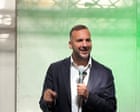
Investigation Underway Following Social Media Post
Law enforcement authorities have initiated an active investigation into a Polanski guillotine post that was shared on social media by a prominent Green Party official. The inquiry began after Reform UK submitted a formal complaint alleging that the controversial image constituted incitement to violence. This Polanski guillotine post has sparked significant debate about the boundaries of political expression and online speech.
The image in question featured a photograph of a man dressed in a black t-shirt bearing the phrase "we're only making plans for Nigel," positioned alongside a historical image of a guillotine. The controversial post was uploaded to Instagram by Zack Polanski, who serves as the leader of the Green Party. The combination of text and imagery prompted swift action from opposition political figures who deemed the content inflammatory and threatening.
Details of the Complaint
Reform UK representatives formally reported the controversial content to authorities, contending that the juxtaposition of the political slogan with guillotine imagery crossed ethical and legal boundaries. The complaint specifically alleged that the post represented an incitement to murder, as the guillotine has historically been associated with violent execution and regime change. Officials stated that police are actively conducting preliminary investigations to determine whether the material violates existing legislation regarding threats and incitement.
The phrase appearing on the t-shirt in the photograph references a song by the indie band Suede from the 1990s, which had previously been appropriated in various political contexts. However, when combined with the guillotine imagery, Reform UK contended that the overall message took on a sinister and threatening character. The party argued that such imagery, regardless of its artistic or satirical intent, could be interpreted as promoting violence against specific political figures.
Response and Political Context
Green Party officials have not yet issued a comprehensive public statement regarding the investigation. However, sources close to Polanski suggested that the post was intended as political satire and commentary rather than a literal threat. The incident occurs within a broader context of heightened political tensions and increasingly heated rhetoric across the United Kingdom's political landscape.
The investigation into the Polanski guillotine post reflects growing concerns among law enforcement agencies about the use of social media platforms for political messaging that may cross the line into incitement. Police confirmed that their inquiry is ongoing and that they are examining the context, intent, and potential impact of the shared material.
Broader Implications for Political Speech
This case raises important questions about the limits of free expression within political discourse, particularly on social media platforms where content spreads rapidly and can be interpreted in multiple ways. Civil liberties advocates have expressed concern that investigations into such posts could set precedents that restrict legitimate political criticism and satire.
Legal experts note that proving incitement requires demonstrating both intent to incite and a reasonable likelihood that the content would result in illegal action. The investigation into the Polanski guillotine post will likely hinge on these factors, as authorities determine whether the image represented genuine threat or protected political expression.
The incident highlights the ongoing tension between protecting freedom of expression and preventing potentially dangerous content from circulating on social media. As digital platforms become increasingly central to political discourse, questions about moderation, accountability, and the role of law enforcement in monitoring online speech continue to generate debate among policymakers, legal experts, and the general public.