
Plug-in Solar Panels: Revolutionary Technology Heading to Retailers Near You
Discover plug-in solar panels transforming home energy. UK government confirms they can significantly reduce electricity bills. Learn what you need to know.
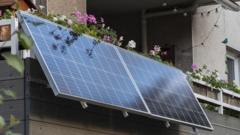
Plug-in Solar Panels: A Game-Changing Energy Solution
Plug-in solar panels represent an innovative breakthrough in residential renewable energy technology, with availability expanding to retail locations across the country. This emerging technology is capturing significant attention as homeowners seek practical ways to reduce their energy consumption and lower utility costs. The UK government has officially recognized that plug-in solar panels could help households "significantly cut" their energy bills, marking an important endorsement for this accessible renewable energy solution.
Understanding Plug-in Solar Panel Technology
Unlike traditional solar panel installations that require professional setup and complex wiring integration, plug-in solar panels offer a fundamentally different approach to harnessing solar energy. These self-contained units are designed for straightforward installation, making them accessible to a broader range of homeowners who may lack technical expertise or desire to avoid extensive renovation work. The plug-in solar panels operate independently, connecting directly to standard household outlets without requiring permanent modifications to existing electrical infrastructure.
How Plug-in Solar Panels Work
The functionality of plug-in solar panels centers on their ability to convert sunlight directly into usable electricity through photovoltaic cells. Unlike rooftop installations that feed power into a home's main electrical system, these portable units generate electricity that can be used immediately or stored for later consumption. This straightforward mechanism eliminates complicated installation procedures while maintaining the environmental benefits associated with solar energy generation.
Government Support and Policy Recognition
The UK government's endorsement of plug-in solar panels as an effective energy-saving measure underscores their commitment to promoting sustainable energy solutions among residential consumers. Official statements indicate that plug-in solar panels could enable significant reductions in household energy expenditures, particularly during peak sunlight hours when energy demand typically remains high. This governmental backing provides confidence to consumers considering investment in renewable energy technology for their homes.
Energy Bill Reduction Potential
Households implementing plug-in solar panels can anticipate measurable decreases in their electricity bills, with the extent of savings dependent on factors including local sunlight availability, panel efficiency ratings, and individual energy consumption patterns. The government's assertion that plug-in solar panels facilitate "significant cuts" to energy expenses reflects growing recognition of their practical value in the residential energy sector.
Retail Availability and Consumer Access
The expansion of plug-in solar panels into mainstream retail channels represents a pivotal shift in making renewable energy technology accessible to everyday consumers. Rather than requiring specialized solar installation companies or complex procurement processes, homeowners can now purchase plug-in solar panels from conventional retailers, simplifying the decision-making and acquisition process. This democratization of solar technology removes barriers that previously prevented many households from adopting renewable energy solutions.
Shopping for Plug-in Solar Panels
As plug-in solar panels become increasingly available through various retail outlets, consumers will encounter diverse options featuring different specifications, power outputs, and pricing structures. Understanding these variations enables informed purchasing decisions tailored to individual energy needs and budget considerations.
Installation and Setup Benefits
The user-friendly nature of plug-in solar panels distinguishes them from conventional solar installations that necessitate professional contractors and extensive planning. Homeowners can independently position plug-in solar panels in optimal locations to maximize sunlight exposure, adjusting placement seasonally to account for changing sun angles. This flexibility empowers users to optimize their energy generation without committing to permanent structural modifications.
Environmental and Economic Advantages
Adopting plug-in solar panels contributes to reducing household carbon footprints while simultaneously delivering economic benefits through lower energy expenses. The combination of environmental responsibility and financial savings creates compelling motivation for residential consumers to explore this renewable energy option. As more households transition toward plug-in solar panels, collective impact on regional energy demand and carbon emissions becomes increasingly significant.
Future Outlook for Solar Energy
The introduction of plug-in solar panels to retail markets signals broader industry momentum toward making renewable energy solutions increasingly consumer-friendly and accessible. As technology continues advancing and manufacturing scales increase, plug-in solar panels are likely to become standard household energy components. This evolution reflects changing priorities within both government policy and consumer consciousness regarding sustainable energy adoption.