
Parent Abandons Young Child on Mount Fuji During Solo Trek
A father left his 7-year-old son unattended on Mount Fuji while continuing his hike. Read about this concerning incident involving child safety on Japan's iconi...
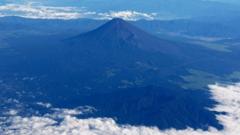
Child Left Alone on Mount Fuji: Critical Safety Incident
A significant incident of child endangerment unfolded when a father left his young son, age seven, unaccompanied on Mount Fuji during a family hiking expedition. The concerning situation highlighted critical lapses in parental responsibility and raised serious questions about child safety on Japan's most iconic mountain.
The circumstances surrounding this case demonstrate how quickly outdoor adventures can transform into dangerous situations when proper supervision protocols are neglected. The father had initially undertaken the Mount Fuji journey with both of his children, but abandoned one child when fatigue set in during the trek.
Details of the Mount Fuji Incident
According to reports, the decision to leave the younger child behind occurred as the father grew tired from the physical demands of climbing Mount Fuji. Rather than making necessary adjustments to ensure both children remained under constant supervision, he chose to continue ascending the mountain alone, leaving his seven-year-old in a vulnerable position on the slopes.
This type of a child left alone on Mount Fuji situation raises immediate concerns about judgment and decision-making in outdoor environments. The combination of high altitude, unpredictable weather conditions, and remote terrain makes Mount Fuji an inherently challenging destination, particularly for young children.
Safety Implications for Young Hikers
Mount Fuji, standing at 3,776 meters (12,388 feet), presents numerous hazards that demand rigorous safety protocols. Families attempting this climb face exposure to:
Environmental challenges including rapidly changing weather patterns, thin oxygen levels at higher elevations, and rocky, uneven terrain that can be treacherous even for experienced hikers. Young children are particularly vulnerable to altitude sickness and physical exhaustion on such demanding routes.
The isolation of Mount Fuji's slopes means that emergency assistance may take considerable time to arrive if complications develop. Infrastructure for rescue operations, while present, remains limited compared to more accessible hiking areas.
Parental Supervision During Mountain Activities
This incident illustrates why proper planning and realistic assessments of physical capabilities are essential before undertaking Mount Fuji expeditions with children. Parents must establish clear protocols for maintaining visibility and contact with all family members throughout such ventures.
Best practices for family mountain climbing include establishing predetermined meeting points, maintaining continuous communication, and most importantly, never separating from young children in remote locations. The decision to abandon a child on Mount Fuji contradicts fundamental principles of responsible outdoor recreation.
Broader Implications for Japanese Tourism and Safety
Mount Fuji attracts hundreds of thousands of visitors annually, many of whom are families. This incident involving a child left alone on Mount Fuji serves as a stark reminder that comprehensive safety awareness and education remain crucial for all climbers, regardless of hiking experience levels.
Tourist boards and hiking authorities continue emphasizing the importance of preparation, physical conditioning, and mental readiness for anyone considering a Mount Fuji ascent. The mountain's beauty and cultural significance must never overshadow the practical realities of its challenging climbing conditions.
Lessons and Moving Forward
The circumstances of this case, where a child was abandoned on Mount Fuji, underscore the responsibility that parents bear when making decisions about family participation in high-risk activities. Children require consistent supervision, appropriate preparation, and realistic expectations aligned with their developmental capabilities.
As tourism to Mount Fuji continues to grow, incidents like this one encourage deeper conversations about safety standards, parental accountability, and the measures necessary to protect vulnerable individuals in mountain environments. Moving forward, awareness campaigns and educational initiatives may prove instrumental in preventing similar situations.