
Panama Canal Restricts Daily Ship Transits Due to El Niño
El Niño drought forces Panama Canal to reduce daily ship passages. Learn how climate patterns impact global maritime trade routes.
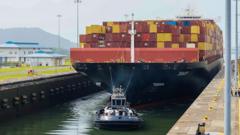
Panama Canal Implements Significant Ship Transit Reductions
The Panama Canal, one of the world's most critical maritime corridors, has announced substantial restrictions on daily vessel passages due to the effects of El Niño. The canal's operational authority made this announcement following a concerning decline in rainfall patterns across the region, which directly threatens the waterway's ability to maintain normal transit capacity.
Understanding El Niño's Impact on Canal Operations
The Panama Canal ship restrictions stem from a broader climate phenomenon affecting Central America and beyond. El Niño, an oceanic pattern characterized by unusually warm ocean surface temperatures, has disrupted regional precipitation cycles. The resulting drought conditions have severely diminished water accumulation in the Gatun Lake, the artificial freshwater reservoir that supplies the canal with the massive quantities of water necessary for lock operations.
Water Scarcity and Operational Challenges
The canal system relies on approximately 52 million gallons of freshwater per vessel transit through its three sets of locks. With rainfall significantly below normal levels, lake water levels have dropped considerably, forcing operators to make difficult decisions regarding transit scheduling. This El Niño drought impact has created an unprecedented operational challenge for one of global commerce's most vital arteries.
Decision-Making Process Behind the Restrictions
Canal administrators conducted extensive analysis of hydrological data and climate forecasts before implementing Panama Canal ship restrictions. The decision reflects a commitment to maintaining the waterway's long-term viability while managing immediate resource constraints. Rather than risk operational failure or environmental damage, officials chose to reduce the number of vessels permitted through the canal daily.
Balancing Supply and Demand
Typically, the Panama Canal accommodates approximately 36 to 40 transits daily, serving as the primary maritime shipping routes for roughly 6% of global trade. By reducing this number, the authority aims to preserve sufficient water reserves while maintaining essential commercial passage for critical cargo operations. This water level management approach demonstrates the canal's adaptive response to climate-related challenges.
Global Maritime Implications
The reduction in Panama Canal transit capacity creates ripple effects throughout international shipping markets. Companies operating maritime shipping routes must now secure alternative passages or accept longer transit times. Some vessels may reroute around Cape Horn at the southern tip of South America, significantly extending voyage duration and increasing operational costs.
Economic Consequences for International Trade
This disruption affects countless industries dependent on timely cargo delivery, from automotive manufacturers to agricultural exporters. The Panama Canal ship restrictions introduce uncertainty into global supply chains and may contribute to increased shipping costs for consumers worldwide. Industries particularly vulnerable include those transporting perishable goods or time-sensitive materials.
Historical Context of Canal Operations
The Panama Canal has faced periodic water shortage challenges throughout its operational history. However, the severity of El Niño drought impact this cycle represents some of the most significant restrictions implemented in recent years. Climate specialists warn that such weather extremes may become more frequent, necessitating enhanced water management strategies and infrastructure investments.
Prior Restrictions and Lessons Learned
Previous drought periods prompted the canal authority to implement various conservation measures and water-saving technologies. These initiatives, combined with improved operational protocols, have helped the waterway navigate past crises. Nevertheless, current restrictions demonstrate that even enhanced systems face limitations when confronted with severe environmental conditions.
Technological and Infrastructure Responses
The canal authority continues exploring advanced solutions to address water scarcity. Potential innovations include improved lock mechanisms requiring less water per transit, expanded water recycling systems, and better reservoir management techniques. Investment in climate-resilient infrastructure represents a crucial component of the canal's future operational strategy.
Adaptation Strategies Moving Forward
Looking beyond the immediate El Niño drought impact, administrators are implementing comprehensive climate adaptation plans. These initiatives aim to reduce dependence on rainfall while maintaining the maritime shipping routes' efficiency. Enhanced monitoring systems and predictive modeling will enable more sophisticated water allocation decisions.
Timeline and Future Outlook
The duration of Panama Canal ship restrictions depends on rainfall recovery and lake water level restoration. Meteorological forecasts suggest conditions may gradually improve, though the recovery timeline remains uncertain. The canal authority maintains flexibility in its restrictions, adjusting daily transit limits based on real-time hydrological conditions.
Stakeholders in international commerce closely monitor developments, as the resolution of current water level management challenges will significantly influence global shipping patterns and costs. The situation underscores the critical importance of understanding how climate phenomena impact essential infrastructure supporting worldwide trade networks.