
Oil Tanker Threats in Middle East Hit Critical Levels
Shipping analysts warn that threats to oil tankers in the Middle East have reached unprecedented levels since the Iran conflict began, disrupting global trade r...
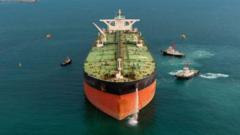
Oil Tanker Threats in Middle East Reach Unprecedented Levels
The current situation facing oil tanker threats in the Middle East has escalated dramatically, with industry experts warning that conditions have become significantly more precarious than at any point since the inception of the Iran conflict. Analysts specializing in maritime security have raised concerns about the compound risks threatening commercial shipping operations across the region's vital waterways.
Escalating Attacks on Shipping Corridors
Recent months have witnessed a troubling escalation in coordinated assaults targeting vessels navigating established maritime corridors. These coordinated actions have fundamentally altered the operational landscape for international shipping companies managing routes through strategically critical zones. The frequency and sophistication of these incidents have prompted major shipping firms to reassess their risk management protocols and route planning strategies.
Impact on Global Energy Markets
The persistent pressure on oil tanker threats in the Middle East has created substantial ripple effects throughout international energy markets. Shipping companies operating in these waters face mounting insurance premiums, extended transit times, and the necessity of deploying additional security resources. These increased operational costs are being passed along supply chains, ultimately affecting global petroleum prices and economic stability.
Alternative Routing Challenges
In response to deteriorating conditions along traditional shipping lanes, vessel operators have increasingly relied on alternative shipping routes to circumvent high-risk zones. However, these alternative pathways present their own formidable obstacles. Extended voyage distances consume additional fuel, require longer crew rotations, and expose tankers to unfamiliar maritime environments with their own distinct hazards and navigational complexities.
Economic Implications for Shipping Industry
The cumulative effect of navigating oil tanker threats in the Middle East has fundamentally transformed shipping economics. Operating companies must now factor substantial additional expenses into their business models, including enhanced crew training, advanced surveillance technology, and premium insurance coverage. These compounding costs are reshaping competitive dynamics within the maritime transportation sector.
Strategic Security Reassessment
Military analysts and maritime authorities have begun implementing comprehensive security frameworks designed to address emerging threats. International naval coalitions have increased their presence along vulnerable stretches of critical waterways, establishing escort protocols for high-value cargo shipments. Despite these interventions, persistent concerns remain about the adequacy of protective measures relative to the sophistication of threats.
Geopolitical Dimensions
The underlying tensions contributing to oil tanker threats in the Middle East are deeply rooted in regional geopolitical conflicts, particularly involving Iran and its complex relationships with neighboring nations and international powers. These tensions extend beyond simple maritime piracy or opportunistic attacks, reflecting broader strategic rivalries and competing interests for regional dominance and influence over critical energy supplies.
Industry Response and Adaptation
Shipping corporations are rapidly modernizing their operational frameworks to contend with the challenging environment. Investment in cutting-edge tracking systems, real-time communication networks, and predictive analytics represents a significant departure from traditional maritime practices. Companies are also collaborating more intensively with international maritime authorities to share intelligence regarding emerging threats and develop coordinated response mechanisms.
Crew Safety Considerations
Beyond economic considerations, the escalating threats pose serious implications for maritime personnel. Crews navigating these waters face heightened psychological stress and genuine physical danger. Insurance requirements now mandate additional safety drills, emergency response protocols, and psychological support services for personnel exposed to high-risk operations.
Looking Forward
Experts suggest that resolving the underlying security challenges affecting oil tanker threats in the Middle East will require sustained diplomatic engagement alongside continued military deterrence. Without meaningful progress toward regional stability and de-escalation, shipping industry analysts project that operational constraints and elevated costs will persist indefinitely, fundamentally altering global energy supply dynamics and international trade patterns.