
Oil Prices Drop as Strait of Hormuz Reopening Looms
Crude oil prices decline following breakthrough talks between US officials on resuming shipments through the Strait of Hormuz. Market optimism grows.
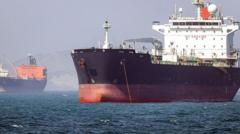
Oil Prices Fall on Strait of Hormuz Reopening Prospects
Global crude markets experienced a significant downturn this week as optimism mounted regarding the potential reopening of critical shipping lanes. The Strait of Hormuz, one of the world's most strategically important oil transportation routes, could see resumed operations following diplomatic breakthroughs. Oil prices reflected this development, declining as traders reassessed supply chain risks and anticipated increased market liquidity through this vital waterway.
Diplomatic Progress Signals Resolution
US Secretary of State Marco Rubio disclosed that negotiations have reached an advanced stage, with meaningful progress recorded in recent consultations. Alongside these developments, Treasury Secretary Scott Bessent confirmed that discussions have matured sufficiently to facilitate renewed shipment activities. Both officials emphasized that their respective departments remain engaged in ongoing talks designed to restore normalcy to international petroleum commerce.
Market Response and Commodity Implications
The announcement of diplomatic advancement immediately influenced energy commodity valuations. Investors and traders responded positively to indications that the Strait of Hormuz could return to full operational capacity. This potential development holds substantial implications for global energy security and market stability. When such critical infrastructure faces uncertainty, oil prices typically experience elevated volatility; conversely, signs of resolution tend to encourage price moderation as market participants gain confidence in supply continuity.
Strategic Importance of the Strait
The Strait of Hormuz represents an indispensable passage for international petroleum distribution, with millions of barrels traversing through these waters daily. Disruptions to this route have historically triggered substantial price escalations and created significant economic ripple effects worldwide. The ability to maintain uninterrupted access through the Strait of Hormuz directly influences energy affordability across multiple nations and sectors. Recognition of its criticality underscores why governments prioritize diplomatic solutions to ensure unimpeded shipping operations.
Economic Outlook and Energy Markets
Analysts have noted that sustained uncertainty regarding the Strait of Hormuz typically results in risk premium additions to oil valuations. As diplomatic signals suggest imminent resolution, these premiums face downward pressure. The trajectory of crude oil prices over coming weeks will largely depend on whether negotiations successfully culminate in formalized agreements permitting unrestricted maritime passage. Should talks yield concrete arrangements, market participants expect further price adjustments reflecting improved confidence in supply chain resilience.
Government Coordination and Next Steps
The coordinated statements from both State Department and Treasury Department officials indicate sustained governmental commitment to achieving expeditious resolution. Such inter-agency alignment typically precedes formal announcements regarding policy implementation. Market observers anticipate that continued progress in these discussions will generate additional positive sentiment, potentially supporting further moderation in energy commodity pricing. The timeline for achieving operational reopening remains subject to ongoing diplomatic negotiations.
Global Energy Implications
The anticipated reopening of the Strait of Hormuz carries significance extending beyond simple price mechanics. Reliable access to this critical waterway supports global economic stability, enabling manufacturers, transporters, and energy consumers to maintain predictable operating costs. Nations dependent upon imported petroleum stand to benefit substantially from successful diplomatic resolution, while energy-producing nations similarly benefit from restored market certainty and normalized trading conditions.