
North Sea Workers Face Weight Limits Under New Helicopter Safety Rules
New helicopter safety regulations restrict North Sea workers to maximum 19.5st fully clothed for emergency winching procedures. Discover the implications of the...
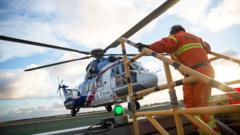
Understanding the New Helicopter Safety Rules
The implementation of helicopter safety rules has introduced significant changes to operations in the North Sea, affecting hundreds of workers across the region. These regulations establish that individuals must weigh no more than 19.5 stone when fully clothed to ensure they can be safely winched to rescue points during emergency situations. This helicopter safety rules framework represents a critical shift in how offshore operations prioritize employee protection and compliance with international maritime standards.
The restrictions surrounding helicopter safety rules have sparked considerable discussion among industry professionals, safety officers, and workers themselves. The rationale behind these weight limitations centers on the technical capabilities of modern winching equipment and the physical constraints of helicopter rescue operations. During emergency scenarios, rapid evacuation becomes paramount, and the equipment must function at optimal efficiency to save lives.
The Technical Foundation of Weight Requirements
The 19.5-stone maximum weight specification for helicopter safety rules isn't arbitrary; it reflects engineering calculations and safety testing conducted by helicopter manufacturers and aviation authorities. When a worker requires emergency winching, the equipment must support not only their body weight but also account for additional factors such as protective gear, rescue harnesses, and dynamic forces during vertical extraction from offshore platforms.
Helicopter safety rules incorporate comprehensive data from previous rescue operations and aeronautical engineering standards. The winching capacity limitations ensure that equipment remains within its tested and approved operational parameters. Exceeding these boundaries could compromise the structural integrity of cables, harnesses, and attachment points, potentially resulting in catastrophic failures during life-saving operations.
Impact on North Sea Workforce
Hundreds of North Sea workers find themselves affected by these helicopter safety rules, which present operational challenges for offshore employers. Companies operating in the region must now screen personnel during recruitment and ensure ongoing compliance with weight restrictions. This requirement has raised questions about employment practices, worker rights, and the feasibility of maintaining adequate staffing levels across drilling platforms and production facilities.
The implementation of helicopter safety rules has necessitated a reassessment of hiring protocols throughout the North Sea petroleum industry. Employers must balance regulatory compliance with their responsibility to provide equal employment opportunities. Medical assessments and weight monitoring have become standard procedures, adding administrative complexity to human resources departments.
Emergency Winching Procedures Explained
Emergency winching procedures represent the last line of defense in offshore rescue operations. When workers face life-threatening situations on North Sea platforms, helicopter safety rules dictate that rapid evacuation via winching becomes the primary extraction method. The process involves lowering a rescue basket or stretcher from the helicopter to the platform, securing the individual, and lifting them to safety.
The effectiveness of emergency winching procedures depends on multiple variables including weather conditions, platform height, worker stability, and most critically, the compatibility between body weight and equipment capacity. Helicopter safety rules establish these parameters to maintain a safety margin that accounts for unexpected complications during extraction operations.
Regulatory Compliance and Industry Standards
Helicopter safety rules follow established protocols set by aviation authorities and offshore safety organizations. These regulations ensure that equipment used in North Sea operations meets international standards and undergoes regular inspection and maintenance. Compliance with helicopter safety rules demonstrates a company's commitment to worker protection and regulatory adherence.
The implementation of weight restrictions reflects global best practices in maritime and aviation safety. Other offshore regions, particularly those operating in challenging North Sea conditions with severe weather, have adopted similar helicopter safety rules to protect their workforce. These standards represent cumulative knowledge from decades of offshore operations and rescue history.
Practical Solutions and Accommodations
Rather than rejecting candidates entirely, some North Sea operators have explored accommodations within helicopter safety rules frameworks. Enhanced rescue equipment, specialized harnesses, and modified winching procedures continue to evolve, though all changes must comply with regulatory approval processes. Companies invest in research and development to find solutions that maintain safety while expanding operational flexibility.
Helicopter safety rules, while restrictive, drive innovation within the rescue equipment industry. Manufacturers respond to regulatory demands by engineering stronger cables, improved harnesses, and more efficient winching systems. These technological advances benefit the broader offshore industry by enhancing emergency response capabilities across all operational scales.
Broader Implications for Offshore Operations
The establishment of helicopter safety rules creates ripple effects throughout North Sea employment sectors. Beyond weight restrictions, these regulations emphasize the critical importance of comprehensive safety protocols in high-risk environments. Workers, employers, and regulators must collaborate to ensure that helicopter safety rules serve their intended purpose: protecting lives during emergency situations.
Looking forward, helicopter safety rules will likely continue evolving as technology improves and operational data accumulates. The North Sea offshore industry must remain adaptable, ensuring compliance while seeking opportunities to enhance both worker accommodation and safety standards across all platforms and facilities operating in this challenging maritime environment.