
Norris Dominates Hungary Grand Prix While Ferrari Struggles
Lando Norris scores his first 2026 victory at Hungary as Ferrari faces critical performance issues. Read the full race analysis and standings.
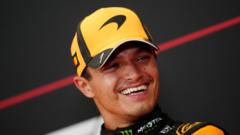
Norris Secures Maiden 2026 Victory at Hungary
Lando Norris claimed his first grand prix win of the 2026 season at the Hungarian Grand Prix, delivering a commanding performance that showcased McLaren's competitive strength. The Norris Hungary Grand Prix victory came after a season filled with narrowly missed opportunities, finally providing the British driver with the breakthrough result he had been pursuing throughout the year.
The victory at the Hungaroring proved decisive for McLaren's championship aspirations, with Norris executing a flawless race strategy and demonstrating consistent pace throughout the entire distance. His triumph marked a turning point in what had been a challenging campaign filled with near-misses and tactical setbacks that had frustrated both the team and its talented driver.
Ferrari's Disappointing Performance Unravels
While Norris celebrated success, the Scuderia faced mounting difficulties that highlighted fundamental issues within their racing program. Ferrari's struggles at Hungary stemmed from a combination of strategic errors, driver mistakes, and inherent performance limitations that compounded throughout the race weekend. The Italian team's inability to capitalize on early race opportunities proved costly as the afternoon progressed.
Multiple costly errors emerged during Ferrari's Hungary campaign, with execution falling short of expectations at a circuit where the team had hoped to demonstrate progress. The accumulation of these mistakes significantly impacted their final result, leaving the Maranello-based outfit questioning their approach and identifying critical areas requiring immediate attention and development.
McLaren's Technical Excellence Shines
The McLaren team demonstrated superior performance management and strategic execution throughout the Hungarian Grand Prix weekend. Their approach to pit stop timing, tire management, and fuel conservation proved decisive in securing victory, with every element of their operation executed with precision. The team's technical staff worked seamlessly with Norris to maximize performance at every stage of the race.
McLaren's consistency in delivering competitive machinery and supporting their drivers effectively has become increasingly evident as the 2026 season progresses. The organization's focus on continuous improvement and detailed attention to data analysis enabled them to identify and exploit strategic advantages that Ferrari struggled to replicate.
Strategic Decisions Impact Final Outcomes
The Norris Hungary Grand Prix victory was significantly influenced by McLaren's strategic decision-making during critical phases of the race. Timing of pit stops proved particularly important, with the team committing to an aggressive strategy that ultimately delivered the desired outcome. Ferrari's contrasting approach, featuring more conservative decisions, failed to generate the competitive advantage they sought.
Ferrari's missed opportunities extended beyond pit stop timing to encompass broader strategic considerations. The team's inability to respond effectively to changing circumstances highlighted the organization's struggles with adaptability and real-time race management. These challenges underscore the considerable work required to address fundamental competitive gaps that have emerged during the 2026 campaign.
Driver Performance Comparison
Lando Norris delivered a measured and intelligent drive at Hungary, demonstrating the maturity and racecraft that characterize his approach to grand prix competition. His ability to manage tire degradation and respond to changing conditions proved crucial in maintaining his advantage throughout the race. The British driver's focus remained steady despite intense pressure situations that required precise decision-making.
In contrast, Ferrari's driver lineups faced difficulty maintaining consistent pace and capitalizing on opportunities to advance their position. These performance differential highlighted the importance of driver capability combined with competitive machinery in securing positive results at championship level competitions.
Implications for Championship Fight
The Norris Hungary Grand Prix result carries significant consequences for the ongoing 2026 championship battle. McLaren's demonstration of competitive strength reinforces their emerging status as a team capable of sustained competitiveness across multiple racing environments. The first victory of 2026 for Norris provides important momentum as the season enters increasingly critical phases.
Ferrari's continued difficulties raise serious questions about their development trajectory and strategic direction. The accumulation of substandard performances demands urgent attention from leadership and technical departments. The gap separating the Scuderia from frontrunning teams appears to be widening rather than closing, presenting challenges that extend beyond simple mechanical upgrades or tactical adjustments.
Looking Forward: Remaining Challenges
The Hungarian Grand Prix established clear patterns that will likely influence team development priorities and strategic planning for subsequent races. McLaren must sustain their elevated performance levels while managing the technical and organizational demands of competing at the highest levels of motorsport. Consolidating advantages requires consistent execution and ongoing innovation.
Ferrari faces the considerable challenge of reversing negative momentum and implementing comprehensive improvements across multiple performance areas. Addressing the fundamental issues revealed at Hungary demands both immediate tactical responses and longer-term strategic planning to rebuild competitiveness within their organization.