
Nobby Stiles: Coroner Links Death to Football Header Injuries
Coroner rules England World Cup legend Nobby Stiles died from brain condition caused by repeatedly heading footballs. Investigation reveals unreported 2020 deat...
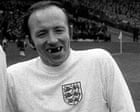
Coroner's Ruling on Football Legend's Death
A coroner has determined that Nobby Stiles, the celebrated England World Cup winner, died as a result of a brain condition caused by repeatedly heading a football during his professional career. The midfielder, who was a pivotal member of England's triumphant 1966 World Cup squad, passed away in 2020, though his death was never officially reported to the coroner's office by relevant authorities at the time.
The formal ruling establishes a significant medical connection between Stiles' fatal brain condition and the cumulative trauma sustained through decades of football heading. This determination comes several years after his initial death, highlighting gaps in procedures for reporting notable deaths to appropriate legal authorities.
A Legendary Football Career
Nobby Stiles earned his place in football history as a tenacious, hard-working midfielder who embodied the spirit of England's golden era. Geoff Hurst, his teammate during that historic World Cup victory, famously described Stiles as the "heart and soul" of the 1966 World Cup-winning team. His defensive prowess and commitment on the pitch made him instrumental to Manchester United's success during the 1960s and beyond.
Throughout his playing career, Stiles was known for his aggressive, no-nonsense approach to the midfield. While his tackling and positioning were exceptional, the physical demands of professional football during that era meant constant exposure to header impact, a factor that has now been medically linked to his eventual death.
Understanding Football Header-Related Brain Injury
The coroner's investigation into Stiles' case adds substantial evidence to growing medical research surrounding the long-term effects of repeated football heading. Experts have increasingly documented connections between cumulative head impacts in football and degenerative brain conditions, particularly in players from earlier generations when protective equipment and awareness were minimal.
Nobby Stiles' case represents one of the most prominent examples of how football header injuries can contribute to serious neurological decline. The condition that led to his death demonstrates the potential severity of brain trauma accumulated over a lengthy professional football career, particularly for midfielders and defenders who frequently engaged in aerial play.
Administrative Failures in Reporting
A concerning aspect of this case involves the failure of authorities to report Stiles' death to the coroner's office when he initially passed away in 2020. This administrative oversight delayed the formal investigation and ruling by several years, preventing timely analysis of the connection between his football career and fatal condition.
The delayed reporting of Nobby Stiles' death raises important questions about procedures in place for documenting deaths of prominent public figures and ensuring proper coroner notification. Such gaps in the system may prevent valuable medical data from being collected and analyzed promptly, hindering efforts to understand occupational health risks in professional sports.
Implications for Football Player Safety
The coroner's determination regarding Nobby Stiles carries significant implications for contemporary football and player welfare. As research continues to establish clear links between repeated heading and brain degeneration, governing bodies face mounting pressure to implement protective measures and education programs.
This ruling underscores the importance of developing better protocols for detecting and preventing football header-related injuries at all levels of the sport. Young players, in particular, may benefit from modified heading techniques and restrictions during developmental stages when brain physiology is still forming.
Legacy and Remembrance
Nobby Stiles remains celebrated as an integral part of England's most glorious sporting achievement. His contributions to Manchester United and international football are firmly cemented in history, and he is remembered fondly by teammates, fans, and the broader football community for his dedication and heart on the pitch.
The coroner's finding ensures that Stiles' legacy now includes an important cautionary tale about the long-term physical costs of professional football, particularly regarding neurological health. His case will likely inform future discussions about player safety, occupational health standards in sports, and the need for comprehensive medical monitoring throughout and after athletic careers.