
Netflix Wonka Series Draws Criticism Over AI-Generated Gene Wilder Voice
Netflix's Wonka show faces backlash for using AI-generated Gene Wilder voice with estate approval. Explore the controversy surrounding artificial intelligence i...
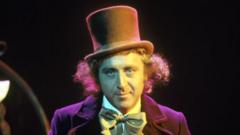
Netflix Wonka Series Faces Backlash Over AI-Generated Gene Wilder Voice
The latest controversy surrounding artificial intelligence in the entertainment industry has emerged around Netflix's highly anticipated Wonka series, which has generated significant public debate. The AI-generated Gene Wilder voice used in the production has sparked widespread criticism among fans and industry professionals alike, raising important questions about the ethics of recreating deceased performers through technology.
The Nature of the Controversy
Gene Wilder, the legendary actor who brought Willy Wonka to life in the 1971 film "Willy Wonka & the Chocolate Factory," passed away in 2016. Rather than casting a new performer, Netflix's production team opted to utilize advanced voice synthesis technology to recreate his iconic vocal patterns for the streaming platform's Wonka series. This decision, while made with the blessing of the Wilder estate, has ignited considerable debate within both the entertainment community and among the actor's devoted fanbase.
Estate Approval and Legal Frameworks
The use of the AI-generated Gene Wilder voice carries significant weight from a legal standpoint, as the production obtained explicit consent from the actor's estate. This approval represents an important distinction in how artificial intelligence and voice synthesis technologies are being integrated into creative projects. The estate's decision to permit the creation of this digital recreation signals a shifting perspective on how deceased performers' legacies might be preserved and utilized in contemporary media.
Public Response and Industry Concerns
The backlash against the AI-generated Gene Wilder voice reveals deeper anxieties within the entertainment sector regarding artificial intelligence's expanding role. Industry professionals, voice actors, and entertainment commentators have expressed concerns about the implications of this technology for traditional performance work. Many argue that while the intention may have been respectful, the precedent set by utilizing voice synthesis raises questions about the future employment of human performers in similar roles.
Technological Achievement Versus Ethical Considerations
From a technical standpoint, the AI-generated Gene Wilder voice represents a remarkable achievement in voice synthesis and machine learning capabilities. The technology required to authentically replicate an actor's distinctive vocal characteristics, speech patterns, and emotional nuances is genuinely impressive. However, this technological prowess has collided with broader ethical frameworks that many believe should govern the use of such innovations in entertainment.
Implications for the Future of Entertainment
The controversy surrounding Netflix's Wonka series and the AI-generated Gene Wilder voice has broader implications for how the entertainment industry will approach similar situations moving forward. As voice synthesis and digital recreation technologies continue to advance, content creators and studios will face increasingly complex decisions about when and how to employ these tools. The debate extends beyond simple questions of legality to encompass moral and artistic considerations that the industry has not yet fully resolved.
Precedent and Policy Development
This incident highlights the urgent need for the entertainment industry to develop clear guidelines and ethical frameworks governing the use of AI-generated voices and digital recreations of deceased performers. Currently, the legal landscape remains somewhat ambiguous, leaving room for interpretation and inconsistent application of standards across different productions and studios. The case of the AI-generated Gene Wilder voice may serve as a catalyst for more comprehensive policy discussions at industry level.
Estate Consent and Creator Rights
While the Wilder estate granted permission for the use of the AI-generated Gene Wilder voice, this decision does not necessarily reflect broader approval from other stakeholders, including other family members or fans who view such recreations as disrespectful to the actor's memory. The distinction between legal authorization and moral approval remains a central point of contention in this ongoing debate about artificial intelligence in entertainment.
The Netflix Wonka series and its use of voice synthesis technology will likely remain a focal point in discussions about the responsible implementation of AI in creative industries. As streaming platforms and traditional studios continue to explore these technological possibilities, the conversation sparked by the AI-generated Gene Wilder voice serves as an important reminder that technological capability must be tempered with thoughtful consideration of ethical implications and respect for artistic legacy.