
NATO Secretary Warns of Most Dangerous Security Crisis in Decades
NATO chief Mark Rutte calls for increased UK and European military power to counter unprecedented geopolitical threats facing the Western alliance.
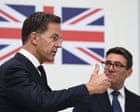
NATO Faces Unprecedented Security Challenges
The NATO security environment has reached its most critical juncture in over a generation, according to Mark Rutte, Secretary General of the 32-nation military coalition. During a significant visit to the United Kingdom, Rutte emphasized that the alliance faces mounting threats requiring immediate and sustained military reinforcement from both British and European member states. The statement underscores growing concerns about deteriorating geopolitical stability across the Euro-Atlantic region.
Rutte's assessment reflects broader anxiety within NATO regarding the convergence of multiple security crises simultaneously affecting alliance members. The NATO security environment has become increasingly complex, with interconnected challenges spanning conventional military threats, cyber warfare, hybrid operations, and strategic competition from authoritarian powers.
Call for Enhanced Military Capability and Investment
During his remarks, the NATO chief stressed that the alliance urgently needs enhanced contributions from the United Kingdom and European nations. Rutte specifically called for greater "hard power" capabilities—military assets, personnel, and operational readiness—to effectively counter emerging threats in this volatile NATO security environment.
The secretary general commended the United Kingdom for commitments to increase defence expenditure, bringing spending closer to NATO's established guidelines and aligning with demands from the United States. These pledges represent important steps toward strengthening the alliance's defensive posture. However, Rutte cautioned that initial commitments must evolve into sustained, long-term investment strategies extending well beyond immediate budget cycles.
Sustained Commitment Beyond Current Pledges
Mark Rutte emphasized that addressing the current NATO security environment requires more than temporary funding increases. Member states must embed enhanced defence spending within their long-term fiscal planning and strategic priorities. The secretary general's message conveyed concern that without sustained commitment, the alliance's ability to respond to emerging threats could be undermined by inconsistent resource allocation.
The Geopolitical Landscape and NATO's Response
The most dangerous NATO security environment assessment comes amid escalating tensions across multiple regions. Eastern European nations face heightened military pressure, while China's strategic ambitions extend NATO's concerns beyond traditional Euro-Atlantic boundaries. Additionally, proxy conflicts, regional instability, and technological military advancement create unprecedented complexity for alliance planners and political leaders.
Rutte's visit to the United Kingdom sought to reinforce bilateral NATO cooperation and underscore the critical importance of the UK's role within the alliance. As a leading military power within NATO, British contributions in military capability, intelligence sharing, and operational deployment significantly influence alliance effectiveness and deterrence posture.
UK Defence Commitments and NATO Requirements
The meeting between Mark Rutte and UK leadership addressed specific defence spending targets and operational commitments. British officials acknowledged the necessity of strengthening military capacity and maintaining robust spending levels to meet NATO obligations. The discussions reflected broader alliance-wide efforts to ensure member states contribute adequately to collective security arrangements.
Challenges for European Defence Capabilities
Beyond the United Kingdom, European NATO members face considerable pressure to enhance defence capabilities and spending. Historically, many continental European nations have maintained defence budgets below NATO's recommended two-percent-of-GDP threshold. The current NATO security environment necessitates reassessment of these spending levels and prioritization of military modernization initiatives.
European countries must address critical capability gaps including advanced air defence systems, strategic airlift capacity, precision munitions, and cyber warfare defenses. Mark Rutte's emphasis on "more Europe" signals recognition that the United States cannot unilaterally shoulder alliance security burdens. European nations must accept greater responsibility for deterrence and defence within their respective regions.
Strategic Implications and Future Outlook
The NATO security environment assessment carries significant implications for alliance strategic planning and member state policy decisions. Investment in military capability, technological advancement, and force readiness will determine how effectively NATO deters potential adversaries and protects member territories and populations.
Mark Rutte's warnings represent a consensus view within NATO's political and military leadership regarding threat assessment and required responses. The secretary general's calls for increased British and European contributions aim to generate political will for sustained defence investments and operational commitments. Success in addressing the current NATO security environment depends on translating rhetoric into concrete military capabilities, trained personnel, adequate equipment, and demonstrated operational readiness across member forces.