
Military Bases to House Asylum Seekers: Three New UK Sites Approved
Home Office plans to utilize military bases for asylum accommodation. Three Oxfordshire, Suffolk, and Yorkshire sites could house 3,750 asylum seekers. Details...
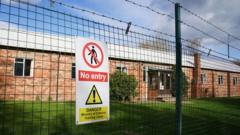
Military Bases to House Asylum Seekers Across England
The Home Office has announced an expansion strategy involving military bases to house asylum seekers, marking a significant shift in the government's accommodation approach. Three newly identified military bases to house asylum seekers across different regions of England could provide shelter for approximately 3,750 individuals awaiting immigration decisions if local authorities grant the necessary permissions.
Locations and Capacity Details
The proposed facilities utilizing military bases to house asylum seekers are situated across three distinct geographical areas. Sites in Oxfordshire, Suffolk, and Yorkshire have been selected as potential locations for this expanded accommodation initiative. The combined capacity of these military bases to house asylum seekers would reach roughly 3,750 spaces, representing a substantial increase in the country's asylum seeker accommodation infrastructure.
Oxfordshire Development
The Oxfordshire site represents one of the three strategic locations selected for this accommodation expansion. This location would contribute significantly to the regional capacity for housing asylum seekers in the Southeast region of England.
Suffolk and Yorkshire Facilities
The Suffolk and Yorkshire facilities would provide geographic diversity to the accommodation network, ensuring that asylum seekers are distributed across multiple regions rather than concentrated in single urban centers. This decentralized approach aims to alleviate pressure on traditional housing arrangements in major cities.
Strategic Rationale Behind Military Bases
The decision to utilize military bases reflects the government's broader strategy to manage increased asylum applications while reducing costs associated with hotel accommodations. Military facilities offer existing infrastructure, including sleeping quarters, dining facilities, and administrative spaces that can be rapidly converted for asylum seeker accommodation.
The Home Office has justified this approach as a pragmatic solution to address the ongoing accommodation crisis. By repurposing existing military properties, the government can expand capacity without requiring significant new construction or land acquisition.
Permission and Implementation Process
Each of the three military bases to house asylum seekers requires formal approval from relevant local authorities before implementation. The permission process involves consultation with local councils and community stakeholders to address concerns about the proposed accommodations.
The Home Office timeline for implementation depends on securing these necessary permissions. Once approved, the facilities would be prepared and staffed to receive asylum seekers currently in temporary accommodation arrangements.
Context and Background
The expansion of military bases to house asylum seekers represents an intensification of existing policies. Previous initiatives have already involved converting military barracks into accommodation facilities, and this latest announcement expands that model significantly.
The United Kingdom has experienced increased asylum applications in recent years, creating substantial pressure on accommodation services. Traditional hotel arrangements, which have housed many asylum seekers during their application processing, have proven costly and increasingly controversial.
Impact on Asylum Seeker Population
The proposed facilities would provide dedicated accommodation designed specifically for asylum seekers awaiting decision outcomes on their applications. Each location would include basic amenities, though conditions would differ from standard private housing.
Support services including healthcare access, legal consultation facilities, and welfare support would be integrated into the accommodation structures. These services aim to ensure asylum seekers receive necessary assistance while their applications are processed.
Local Community Considerations
The implementation of military bases to house asylum seekers involves engagement with local communities. Councils in Oxfordshire, Suffolk, and Yorkshire will evaluate the proposals based on local capacity, infrastructure capability, and community preparedness.
Community concerns typically focus on service provision capacity, integration support, and resource availability within existing local authority frameworks. Consultation processes aim to address these concerns before final approval.
Future Outlook
If all three military bases to house asylum seekers receive approval, the initiative would significantly expand national accommodation capacity. This expansion reflects the government's commitment to managing asylum applications through infrastructure development and strategic facility utilization.
The success of these facilities will likely influence future accommodation policy decisions and potential additional expansions of military base usage for asylum-related housing.