
Michigan Identifies Lettuce as Potential Cyclosporiasis Outbreak Source
Michigan health officials pinpoint lettuce and salad greens as the likely source of a cyclosporiasis outbreak affecting thousands. Investigation ongoing.
Michigan Cyclosporiasis Outbreak: Lettuce Emerges as Primary Suspect
Public health authorities in Michigan have announced a significant finding in their investigation of a widespread cyclosporiasis outbreak. The cyclosporiasis outbreak has affected thousands of residents across the state, with officials now focusing on lettuce and salad greens as the most probable contamination source. The Michigan Department of Health and Human Services released a statement Monday confirming that preliminary investigative findings strongly suggest these leafy vegetables played a central role in disease transmission.
Understanding the Parasitic Infection
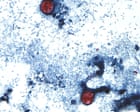
Cyclosporiasis represents a parasitic infection caused by the microscopic organism Cyclospora cayetanensis. This pathogen triggers a range of gastrointestinal symptoms that can severely impact affected individuals. Patients infected with cyclosporiasis typically experience persistent watery diarrhea, which can last for weeks if left untreated. Additional symptoms accompanying the initial diarrheal illness include significant loss of appetite, substantial weight loss, and general malaise affecting daily functioning and quality of life.
Investigation Status and Findings
While the investigation into the cyclosporiasis outbreak remains active and ongoing, state health officials have gathered sufficient data to identify specific food items as concerning. The preliminary analysis points definitively toward lettuce or salad greens as potential vectors for parasite transmission. However, health authorities have responsibly noted that conclusive determination requires further investigation, and they have not completely eliminated other possible food sources from consideration.
The Michigan Department of Health and Human Services emphasized that this cyclosporiasis outbreak investigation represents a comprehensive effort to protect public health. Officials are systematically examining supply chains, distribution networks, and consumption patterns to establish definitive causation. The cautious approach reflects scientific standards while providing consumers with the most current information available.
Public Health Response
In response to this cyclosporiasis outbreak, Michigan health officials have intensified their surveillance and testing protocols. The department continues collecting detailed information from affected individuals regarding their recent dietary consumption. This epidemiological approach helps establish temporal and geographical patterns supporting the preliminary conclusions about lettuce and salad greens.
State authorities are coordinating with federal agencies and other jurisdictions to determine whether similar cyclosporiasis cases have emerged outside Michigan. Such collaboration helps establish whether this represents an isolated regional outbreak or part of a larger multi-state incident requiring coordinated response.
Consumer Advisories and Safety Measures
Given the findings regarding this cyclosporiasis outbreak, health officials are urging Michigan residents to exercise caution when purchasing and consuming fresh leafy vegetables. While not recommending complete avoidance, authorities suggest thorough washing of lettuce and salad greens before consumption. Consumers should also monitor themselves for characteristic symptoms including diarrhea, loss of appetite, and unexplained weight loss.
The cyclosporiasis outbreak serves as a reminder of the importance of food safety throughout agricultural production and distribution chains. Both consumers and food vendors play critical roles in preventing parasitic contamination of fresh produce.
Next Steps in the Investigation
The Michigan cyclosporiasis outbreak investigation will continue with expanded laboratory testing and epidemiological analysis. Health officials plan to release additional findings as they become available. The collaborative effort between state and federal agencies aims to conclusively identify the contamination source and implement preventive measures.
Anyone experiencing symptoms consistent with cyclosporiasis, particularly after recent consumption of lettuce or salad greens, should consult healthcare providers. Early diagnosis and appropriate treatment can significantly reduce symptom duration and severity.