
M25 Heat Emergency: Drivers Hospitalized During Extreme Weather Alert
Ambulance services face severe challenges responding to heat-related illnesses as multiple drivers require hospitalization during M25 traffic incident in extrem...
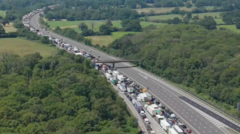
Motorway Drivers Face Medical Crisis During Extreme Heat Event
A significant incident on the M25 has highlighted the serious dangers of heat-related illnesses as emergency services grapple with challenging conditions. During an unprecedented heat alert, multiple motorists became stranded on the motorway and subsequently required emergency medical attention, with several individuals transported to hospital for treatment of heat-induced conditions.
Ambulance Service Faces Critical Response Challenges
Emergency medical teams encountered substantial difficulties in delivering timely assistance to affected individuals experiencing heat related illnesses. The ambulance service acknowledged the strain placed on resources as personnel worked to reach patients scattered across congested stretches of the M25, where traffic congestion significantly delayed emergency response times.
According to emergency service reports, the combination of stationary vehicles, overwhelming heat, and the geographic spread of patients created unprecedented operational challenges. Paramedics described the situation as exceptionally demanding, with crews forced to navigate through gridlocked traffic to access those requiring urgent medical intervention.
Understanding Heat-Related Health Emergencies
Heat related illnesses manifest in various forms during extreme weather conditions, ranging from heat exhaustion to more severe cases requiring immediate hospitalization. Symptoms can develop rapidly when individuals remain exposed to elevated temperatures without adequate hydration or ventilation, conditions commonly experienced by motorists trapped in stationary vehicles during traffic delays.
Medical professionals emphasize that prolonged exposure to extreme heat significantly increases physiological stress on the human body. When combined with the confined spaces of vehicles and ongoing traffic congestion, these circumstances create dangerous environments capable of triggering acute medical emergencies.
Impact on Emergency Services and Infrastructure
The incident underscores ongoing vulnerabilities within the UK's emergency response infrastructure during extreme weather events. The ambulance service highlighted how the M25 traffic incident exposed gaps in their capacity to deliver rapid assistance across extended areas during periods of national heat alerts.
Traffic management officials noted that the sheer volume of vehicles affected made coordination exceedingly difficult. Emergency personnel worked systematically to prioritize cases based on medical severity, transporting the most critically affected individuals to nearby hospitals while providing roadside assistance to others.
Hospital Admissions and Treatment Protocols
Those hospitalized following the M25 incident received treatment for various presentations of heat-related conditions. Hospital teams implemented standard protocols for managing heat exposure emergencies, focusing on rapid core temperature reduction and fluid replacement therapy.
Medical staff reported that early intervention by paramedics at the scene proved crucial in preventing more severe outcomes. The coordinated efforts between ambulance personnel and hospital teams demonstrated the importance of swift emergency response chains during medical crises.
Lessons and Future Preparedness Measures
This M25 traffic incident has prompted discussions among emergency services regarding enhanced preparedness strategies during heat alerts. The ambulance service has indicated intentions to review protocols and resource allocation procedures to improve response effectiveness during future extreme weather events.
Authorities emphasize that public awareness about heat safety during travel remains essential. Motorists are advised to maintain adequate hydration supplies, ensure proper vehicle ventilation, and monitor personal health indicators during periods of extreme temperature warnings.
Looking forward, transport authorities and emergency services continue collaborating on infrastructure improvements designed to reduce congestion during critical incidents and facilitate faster emergency vehicle access when conditions become hazardous. The M25 incident serves as a stark reminder of climate-related challenges facing modern transportation systems and emergency response networks across the United Kingdom.