
Labour PM Burnham Rules Out Early Election Until 2029
Andy Burnham confirms no general election before 2029 despite Labour's polling surge. Prime minister dismisses speculation of an early contest.
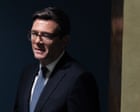
Burnham Confirms No General Election Before 2029
Andy Burnham has firmly stated that no general election before 2029 will take place under his leadership, putting to rest mounting speculation about a potential snap poll. The Prime Minister's declaration comes at a time when Labour's position in polling data has shown notable improvement, creating talk among political observers about whether the government might capitalize on its strengthened standing with voters.
During a series of regional media interviews conducted on Friday, Burnham faced persistent questioning regarding the timing of the next general election. The focus on this issue reflects broader political interest in whether the Labour administration might seek to secure its mandate sooner rather than later, given recent shifts in public opinion.
Dismissing Snap Election Speculation
The Prime Minister's comments directly address days of mounting speculation within political circles and media coverage suggesting that Labour's electoral fortunes could prompt an earlier-than-expected contest. Burnham's position appears designed to provide clarity and certainty for both Parliament and the electorate about the government's intentions regarding the next scheduled election.
The speculation about a snap election has been fueled by various political analysts and commentators who have observed Labour's improved performance in opinion polling. However, Burnham's unequivocal statement seeks to dampen such discussion and establish a clear timeline for governance and electoral processes.
Political Context and Labour's Current Standing
Labour's recent revival in polling numbers has generated considerable discussion about the party's electoral prospects and whether the government might be tempted to call an early general election before 2029 to consolidate its gains. Such strategic considerations are common in British politics, where prime ministers theoretically hold the power to call elections within fixed parliamentary terms, though this power was limited by the Fixed-term Parliaments Act and subsequent legislation.
Burnham's explicit rejection of an early election reflects a strategic choice to maintain the established electoral timetable and avoid the uncertainties associated with a snap poll. This approach suggests confidence in Labour's ability to maintain voter support through the remainder of the parliamentary term.
Government Stability and Electoral Planning
By confirming that no general election before 2029 is planned, the Prime Minister is effectively signaling the government's commitment to a full term of office. This decision provides businesses, civil society organizations, and the public with predictability regarding the timing of the next major electoral contest.
The repeated questioning Burnham faced during his Friday broadcast interviews underscores the media and political interest in this question. His consistent response across multiple regional outlets demonstrates a coordinated messaging strategy intended to eliminate ambiguity about the government's electoral intentions.
Implications for Parliamentary Business
The confirmation that no general election before 2029 is on the horizon allows Parliament and government departments to plan their legislative agendas with greater certainty. This provides a framework for implementing the government's policy initiatives without the disruption that would accompany an unexpected electoral contest.
Burnham's statement also reflects broader considerations about political stability and governance. By anchoring the next election to 2029, the Labour government is committing to a standard five-year parliamentary term, which aligns with contemporary British electoral practice and public expectations about the normal rhythm of democratic contests.