
Labour Claims Greater Manchester Mayoral Victory
Labour wins decisive Greater Manchester mayoral byelection as Bev Craig succeeds Andy Burnham, regaining areas lost to Reform UK in recent contests.
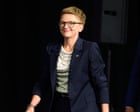
Labour Secures Commanding Win in Greater Manchester Mayoral Contest
The Greater Manchester mayoral byelection has delivered a resounding triumph for Labour, marking a significant political realignment in one of England's most influential regional positions. Bev Craig, the sitting leader of Manchester city council, has emerged victorious in this closely watched contest, successfully restoring Labour's dominance in districts where alternative parties had previously made substantial inroads.
Bev Craig Assumes Historic Leadership Role
Craig's election represents a watershed moment for the region's governance structure. As the new mayor-elect, she will inherit the responsibilities previously held by Andy Burnham, taking command of what constitutes one of the most consequential political offices outside the Westminster parliamentary system. Her ascension underscores Labour's commitment to maintaining its institutional stronghold in the North West.
Recovery in Key Electoral Areas
The election results demonstrate Labour's capacity to recapture support in constituencies where Reform UK and the Green Party had made notable electoral advances during the general elections held in May. This reversal suggests a recalibration of voter sentiment, with traditional Labour supporters consolidating their backing for the mayoral position. The party's organizational machinery appears to have successfully mobilized its base across multiple demographic segments and geographical zones within the metropolitan area.
Strategic Implications for Regional Politics
Burnham's departure from the mayoral office marks the conclusion of a significant chapter in Greater Manchester's recent political narrative. His tenure established the post as a platform for ambitious regional leadership and national political discourse. Craig's victory indicates that Labour remains the predominant force in shaping Greater Manchester's future trajectory, despite recent electoral challenges that had empowered smaller parties and protest movements across various constituencies.
Voter Sentiment and Electoral Dynamics
The byelection outcome reflects underlying patterns in voter behaviour that merit careful examination. While Reform UK had demonstrated substantial appeal during the May elections, capturing support from traditional Conservative areas and frustration voters, the mayoral contest presented a distinct electoral calculus. Local governance issues, Labour's organizational advantages in municipal administration, and Craig's personal profile as a established city council figure appear to have resonated with the electorate.
Implications for Greater Manchester's Future Governance
Craig's election positions her to implement Labour's vision for the region's economic development, transport infrastructure, and public services coordination. The Greater Manchester Combined Authority, of which the mayor serves as chair, represents a crucial institutional framework for inter-council collaboration and strategic planning across the ten metropolitan boroughs. Craig's leadership will shape resource allocation, regional partnerships, and relationships with Westminster government authorities.
Building on Administrative Experience
Drawing from her experience leading Manchester city council, Craig brings established credibility in urban governance and stakeholder management. Her mayoral tenure will likely emphasize continuity in regional policy priorities while potentially introducing fresh initiatives aligned with Labour's broader national objectives. The transition from Burnham to Craig represents both institutional continuity and generational evolution within the party's regional hierarchy.
Broader Political Context
This Greater Manchester mayoral byelection arrives amid broader reassessments of political alignment across England's metropolitan regions. Labour's decisive performance in this specific contest contrasts with the more fragmented electoral landscape visible in certain parliamentary constituencies. The result may signal that mayoral elections, conducted under different rules and emphasizing local governance credentials, produce different outcomes than general parliamentary contests where national political narratives dominate.
As Bev Craig prepares to assume her responsibilities, the implications of Labour's victory in the Greater Manchester mayoral byelection will extend beyond regional boundaries, offering insights into voter preferences and party resilience during an evolving political period in British politics.