
King Charles Discloses £12.9m Tax Payment for 2024-25
King Charles releases unprecedented tax figures for 2024-25, paying £12.9m and becoming the first reigning monarch to publicly disclose personal tax payments in...
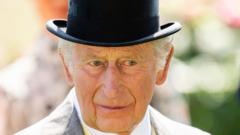
Historic Tax Transparency from King Charles
King Charles has made a groundbreaking decision by publicly revealing his tax payment of £12.9m for the 2024-25 fiscal year, establishing an unprecedented precedent in British royal history. This remarkable King Charles tax payment represents a significant shift towards financial openness from the monarchy, positioning the sovereign among Britain's highest individual taxpayers.
Breaking Royal Protocol on Financial Disclosure
The revelation marks the first occasion that a reigning monarch has voluntarily published comprehensive tax figures. Previously, royal finances remained largely shrouded in secrecy, with limited public scrutiny of the Crown's financial obligations. The King's decision to disclose his King Charles tax payment represents a departure from centuries of tradition, reflecting contemporary expectations of governmental and institutional accountability.
Position Among UK's Top Earners
The £12.9m contribution places King Charles firmly within the nation's upper echelon of taxpayers. This substantial King Charles tax payment situates him among approximately the top 100 individual taxpayers across the entire United Kingdom. The figure underscores the considerable personal wealth and income streams available to the Crown, derived from various royal estates and investments.
Details of the Royal Income
The King's taxable income originates from the Duchy of Cornwall, historically one of the most significant sources of royal revenue. This private estate generates substantial annual returns through agricultural operations, commercial leases, and property holdings. The disclosure of the King Charles tax payment provides insight into the scale of these financial operations and their contribution to national tax revenues.
Monarchy's Evolving Relationship with Transparency
This unprecedented action reflects broader societal shifts toward institutional transparency and accountability. Royal households have increasingly recognised the importance of demonstrating that the Crown fulfils its financial obligations alongside ordinary citizens. The King's willingness to publish detailed tax information suggests a modernised approach to monarchy in the contemporary age.
Context of Royal Finances
The sovereign grant, which funds official royal duties and the monarchy's operational expenses, exists separately from personal wealth and taxation matters. King Charles's personal tax payment, therefore, represents income distinct from public funds allocated for state business. Understanding this distinction clarifies the relationship between the Crown's official responsibilities and private financial matters.
Public Reception and Political Response
The revelation has generated considerable public interest and political commentary. Supporters of the monarchy view the King Charles tax payment disclosure as evidence of institutional responsibility and respect for the rule of law. Meanwhile, various stakeholder groups have seized the opportunity to discuss broader questions regarding royal privilege, wealth distribution, and the appropriate relationship between the Crown and national resources.
Future Implications for Royal Transparency
This precedent-setting action raises questions about whether future publications of detailed tax information might become established practice. The King's decision to voluntarily disclose his King Charles tax payment may establish expectations for ongoing financial transparency from the royal household. Such developments could reshape public understanding of royal finances and institutional governance.
Conclusion
King Charles's decision to publicly reveal his £12.9m tax payment for 2024-25 represents a watershed moment for the British monarchy. As the first reigning monarch to disclose such comprehensive financial information, the King has demonstrated a commitment to transparency that challenges historical precedents. This King Charles tax payment announcement reflects modern expectations of accountability whilst maintaining the dignity and distinct constitutional position of the Crown, positioning the monarchy as an institution willing to engage openly with matters of financial responsibility and public accountability.