
King and Queen Skip Buckingham Palace for Clarence House
King Charles and Queen Camilla will remain at Clarence House after renovations. Buckingham Palace confirms the royal residence change following extensive palace...
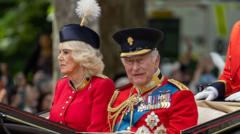
Royal Residence Decision After Palace Renovations
Following extensive Buckingham Palace renovations, King Charles III and Queen Camilla have made an official decision regarding their primary residence. The royal couple will continue living at Clarence House rather than returning to the iconic Buckingham Palace after the completion of major restoration works. Buckingham Palace officials have confirmed this significant development, marking a notable shift in royal housing arrangements that has captured public attention across the United Kingdom and internationally.
Why Clarence House Remains the Preferred Royal Home
The decision to maintain Clarence House as the official residence reflects practical considerations that extend beyond the scope of Buckingham Palace renovations. Clarence House, located in the heart of London's St. James's district, offers distinct advantages that appeal to the current monarchy. The property provides a more intimate and manageable environment compared to the sprawling 775-room Buckingham Palace, which serves as the ceremonial headquarters of the British monarchy.
King Charles and Queen Camilla have established deep roots at Clarence House over many years. The residence has served as their home during the latter part of King Charles's tenure as Prince of Wales, and the couple has developed a strong attachment to its character and location. The palace officials emphasized that this arrangement aligns with the royal household's operational efficiency and the personal preferences of the monarch and his consort.
Buckingham Palace's New Role
The future utilization of Buckingham Palace presents an interesting question regarding the iconic structure's purpose following its Buckingham Palace renovations. While the palace will continue to function as the official ceremonial and administrative headquarters of the monarchy, its primary residential function has been redefined. The building will remain essential for state functions, official receptions, and diplomatic events that require the grandeur and formal settings that Buckingham Palace uniquely provides.
Official State Functions and Ceremonies
Buckingham Palace will continue hosting significant state occasions, including garden parties, official banquets, and formal receptions. The venue remains crucial for royal protocol and international diplomacy, where visiting dignitaries and world leaders are entertained. The palace's ceremonial importance cannot be overstated, as it represents the institution of monarchy and British tradition on the world stage.
The Royal Residence Transition
This transition in royal housing arrangements does not diminish the historical significance of Buckingham Palace. Rather, it represents a modern approach to royal operations under King Charles III's leadership. The arrangement demonstrates thoughtful consideration of practical governance needs alongside personal preferences, a hallmark of contemporary monarchy management.
Queen Camilla's continued residence at Clarence House alongside the king underscores the couple's unified vision for their household operations. The queen has embraced her role with dedication, and maintaining a residence where they have established their life together reflects a grounded approach to royal duties.
Understanding the Renovation Project
The extensive renovation program of Buckingham Palace represents one of the most significant maintenance initiatives undertaken on the royal residence in modern times. These comprehensive upgrades address structural needs, modernize facilities, and ensure the building remains functional for its ceremonial purposes for generations to come. The project requires careful planning to maintain the palace's historical integrity while incorporating necessary contemporary improvements.
The Buckingham Palace renovations involve detailed restoration of architectural elements, upgrading of mechanical and electrical systems, and preservation of historically significant features. Such projects demand expertise from specialized heritage conservation professionals who understand the delicate balance between modern functionality and historical authenticity.
Implications for Royal Household Operations
The decision to maintain Clarence House as the primary royal residence has implications for royal household staffing, security arrangements, and daily operational procedures. Clarence House's more compact size and established infrastructure align with King Charles's expressed interest in streamlining government operations and reducing unnecessary expenditure. This arrangement demonstrates the monarch's commitment to efficient public administration.
The residence change reflects evolving attitudes within the royal family regarding tradition and practicality. While some may view the move away from Buckingham Palace as unconventional, it represents rational decision-making based on lifestyle preferences and operational effectiveness. Both properties serve essential functions within the broader framework of royal operations and national ceremonial life.
Public Reception and Historical Context
The announcement regarding King Charles and Queen Camilla's continued residence at Clarence House has been received with general understanding among the British public and royal observers. Many recognize that Buckingham Palace, despite its iconic status, represents an enormous administrative and maintenance responsibility. The practical arrangement allows the monarchy to maintain its ceremonial functions while adapting to contemporary living preferences.
Historically, not all monarchs have made Buckingham Palace their primary residence, though it has served as the official royal seat since Queen Victoria's reign. The current arrangement joins a longer tradition of flexibility within royal housing decisions, adapted to suit the needs and preferences of individual monarchs and their households.
Conclusion: A Modern Approach to Royal Residence
The official confirmation that King Charles III and Queen Camilla will continue residing at Clarence House following Buckingham Palace renovations marks a pragmatic evolution in royal housing arrangements. The decision balances ceremonial tradition with contemporary practicality, ensuring that both properties serve their intended purposes within the broader framework of British monarchy. This arrangement exemplifies thoughtful governance that respects historical significance while embracing modern operational needs and personal preferences.